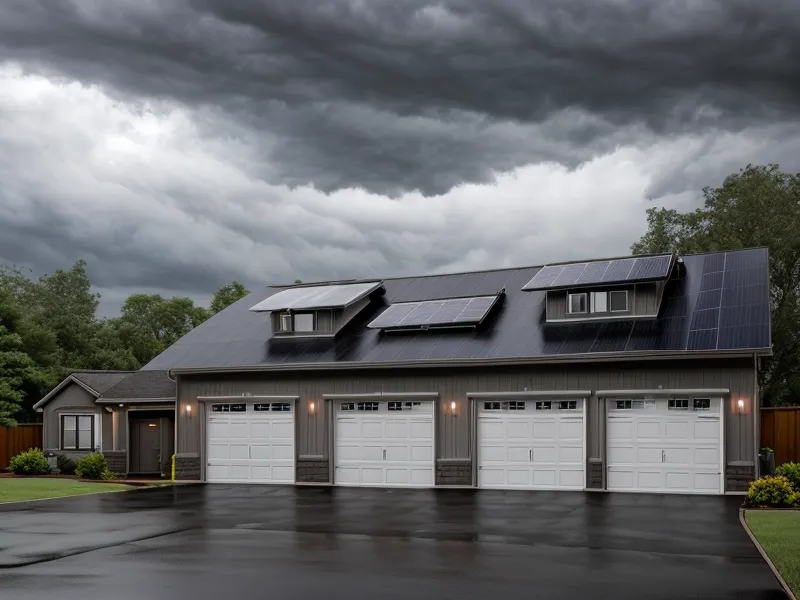
A generator either runs or it doesn't. A tiered power strategy fails in smaller, survivable pieces, and that difference is the whole reason our family made it through two outages instead of just barely surviving them. Building an emergency power strategy that actually holds up meant separating freelance work continuity from insulin storage backup from everything else in the house, because those needs don't break down on the same schedule or for the same reasons.
Two extended blackouts in one year will reorganize your priorities fast. The first one cost me three days of client deadlines when a laptop battery died mid-project. The second one turned into something scarier: watching a cooler holding our youngest's insulin creep toward a temperature neither of us wanted to see. Neither of us is an electrician or anything close to a prepper. My husband coaches little league most weekends. I design things for a living from a desk in the back of the house. We just got tired of hoping the power would hold.
The Day Our Emergency Power Strategy Fell Apart
That second outage is when the big gas generator in our garage showed exactly what it was worth. My husband spent a good twenty minutes in the rain yanking a starter cord that wouldn't catch, trying to get power to the fridge before the cooler climbed any higher.
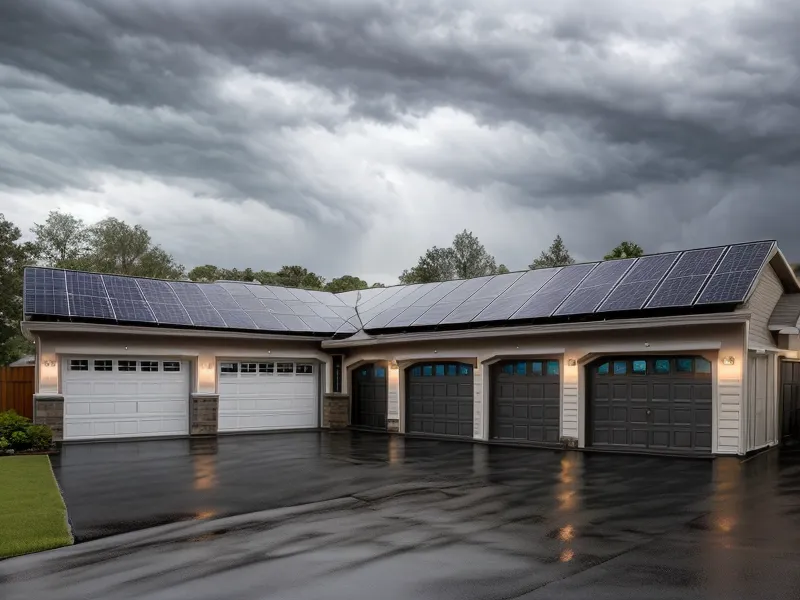
It finally started. Watching him get soaked over a machine that's either completely on or completely off, though, I understood the real problem for the first time. We didn't have backup power. We had one single point of failure with a fuel tank attached.
A generator that only knows a hundred percent or zero percent treats every need in the house the same way, and that's the part that scared me. Our insulin supply has to stay cold no matter what else happens. My work laptop needs steady power that won't shorten its own life. Somewhere in that same equation is the fridge, a box fan, and a kid asking why the WiFi is down again. Trying to solve all of that with one loud machine in the garage never made sense once I actually wrote it out.
So What Actually Failed?
Plenty didn't work before we landed on tiers. At one especially low point, I plugged my laptop into the cheap twelve-volt inverter in my husband's truck and let the engine idle in the driveway most of an afternoon, just to keep a battery icon from turning red. It worked, technically. It also meant we burned through more gas sitting still in our own driveway than we would on an actual road trip, which is a strange way to spend an outage. We've also seen enough ads promising to cut the power bill to zero with some gadget that sounds too easy, and we've learned to be skeptical of anything that claims to skip the real cost of storing energy. Whatever we ended up building, it couldn't require rewiring the house or bringing in an electrician. Neither of us wanted a project that big.
Clean Power Isn't Just Marketing Talk
Somewhere in the research phase, I ran into a term I'd never had a reason to learn: Total Harmonic Distortion. In plain language, it just means how rough or smooth the electricity coming out of a machine actually is. A lightbulb doesn't notice the difference. A design workstation that cost more than either of us liked to admit does, which explained a few things about equipment we'd already worried we'd damaged. We wrote more about that first rough summer in our post about keeping the fridge running and the files saving during Houston blackouts, back when we were still figuring out how much of this was actually our problem to solve.
Three Tiers Instead of One Machine
Here's what we actually landed on, in plain terms. A small, quiet portable power station stays inside for the things that can't wait even a minute: the insulin cooler and my laptop.
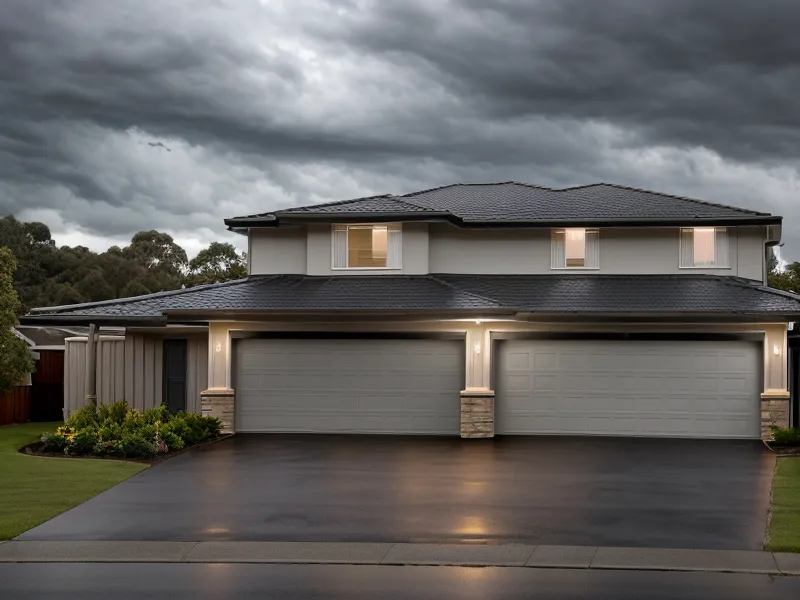
A dual-fuel generator handles the heavier load outside, the fridge and a portable AC unit, but it only runs for as long as we actually need it, not all night. A folding solar setup tops off the indoor battery during the day so we're not burning propane just to keep a laptop charged. None of the three does the other's job. That's on purpose.
We went back and forth for a while on whether a bigger battery could replace the generator entirely. For our situation, no. A battery large enough to run a fridge for days costs more than we wanted to spend, and we'd rather put that money toward three smaller, specific tools than one expensive one trying to do everything. Splitting things up bought us something we didn't expect going in: quiet. The battery running the medical cooler and my laptop doesn't make a sound, which matters at two in the morning with kids asleep down the hall. The generator only comes out when the fridge actually needs it, and even then it's an hour at a time, not an all-night event.
Keeping the router alive turned into its own small tier we hadn't planned for.
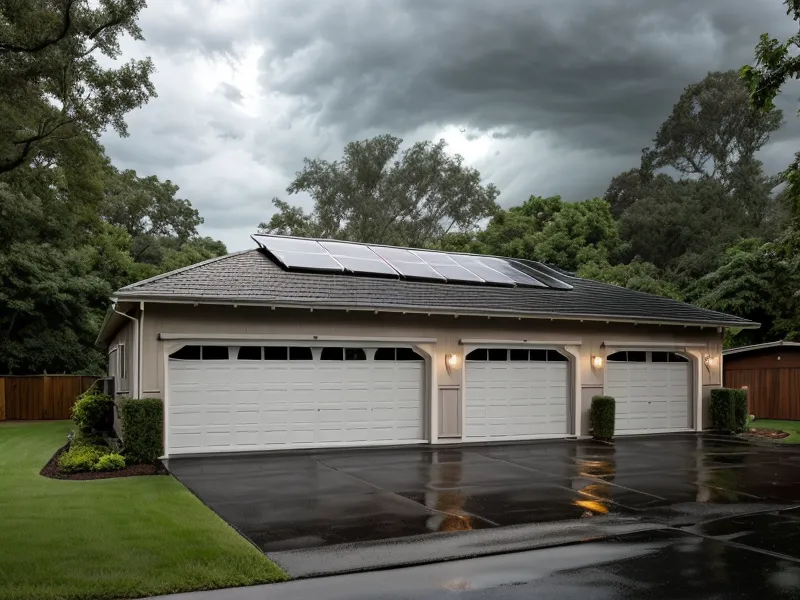
A dead WiFi connection doesn't just mean bored, restless kids. For me it means missed client emails and uploads that never finish. The same indoor battery that runs the insulin cooler now keeps the router and a laptop charger going too, which turned out to be one of the more useful decisions we made without really deciding it on purpose. We're not trying to unplug from the grid completely, either. We like the grid, honestly, when it's doing its job. We just don't want to be stuck the next time it isn't.
Keeping the Insulin Cooler Steady
The medical side of any outage is still the most stressful part, and it comes first in every decision we make about power. A small 12-volt travel cooler, plugged into the indoor battery, keeps the insulin at a steady temperature for days without anyone touching a starter cord. The first time I plugged that cooler in during a real test and just stood there listening, I didn't hear anything alarming. No straining fridge motor, no engine noise leaking in from outside. Just the ordinary, boring quiet of a kitchen with the power out and nothing wrong. That's still the moment I think about when people ask if any of this was worth it.
A reader named Selene, who lives on the third floor of an apartment complex in Katy, emailed us asking whether any of this applies without a garage or driveway. Partly, yes. The indoor battery tier doesn't care whether it's sitting in a house or an apartment. It's just as safe running a small power station next to a couch as it is running a lamp. The generator tier is a different story. That one has to stay outside, which isn't really an option from a third-floor balcony. Selene wrote back a few weeks later, blunt as ever, to report that the battery half worked exactly as described and the generator half was never going to happen for her building, which was about the answer she expected.
We found most of what makes up our indoor tier while researching best portable power stations for families who aren't survivalists, which is a category that exists for exactly the reason it sounds like. You don't need to spend as much as a used car to protect the two or three things in your house that actually can't fail. You need the right small tool, sitting in the right spot, charged, before the sky turns green.
Four Weeks of Testing Taught Us the Real Numbers
By the fourth week of deliberately testing the setup during small, low-stakes outages instead of waiting for a real one, we finally had numbers instead of guesses. How many hours the indoor battery covers the cooler and the laptop together. How long a full propane tank runs the fridge before it needs a refill. How slow the solar panels actually recharge on a humid, overcast day, which is slower than the marketing suggested and exactly the kind of day you'd expect after a storm. None of it was dramatic. It was just math we hadn't bothered to do before.
These days, the first hour of any outage looks the same every time. Cooler and laptop go onto the indoor battery first. The router gets plugged in next. The generator only comes out if the fridge genuinely needs it. There's no scrambling and no decisions left to make in the moment, which is most of what we were actually after. Propane doesn't go bad sitting in the garage the way gasoline does if you forget about it for a season, either, and it doesn't gum up the works the way old gas can.
Our real test came last autumn, months after all the planning, during a cold snap that knocked out a transformer down the street. I didn't lose a single client deadline. The insulin stayed steady. My husband never had to stand outside in bad weather fighting a starter cord. We sat in the living room while the indoor battery quietly ran a lamp and the router, and waited for the grid to come back like it was any other Tuesday.
What Would We Tell a Family Moving to Houston?
My husband's assistant coach, Brock, is a licensed plumber with an opinion about every mechanical thing in our house, ours included. When he saw the three-piece setup, his first instinct was to ask why we didn't just rig something ourselves out of whatever was sitting in his truck bed. That's Brock: improvise first, buy something later, if ever. We went the other direction on purpose. We wanted something boring and repeatable, not a solution that depended on either of us being clever at two in the morning during a storm.
A storm watch doesn't cancel our Saturday walk along the Woodlands Waterway anymore. We check that the indoor battery is charged, glance at the propane gauge, and go, the same way some families check the weather before deciding on sunscreen. If there's one thing worth taking from all of this, it's that resilience doesn't come from finding one perfect device. It comes from matching each need to its own small, unglamorous solution and letting those solutions work independently, so one failure in the driveway doesn't take down the whole household with it.
Nothing on this website constitutes medical, legal, or financial advice. All content is based on the author's personal experience and independent research. Consult a licensed professional for guidance specific to your situation.