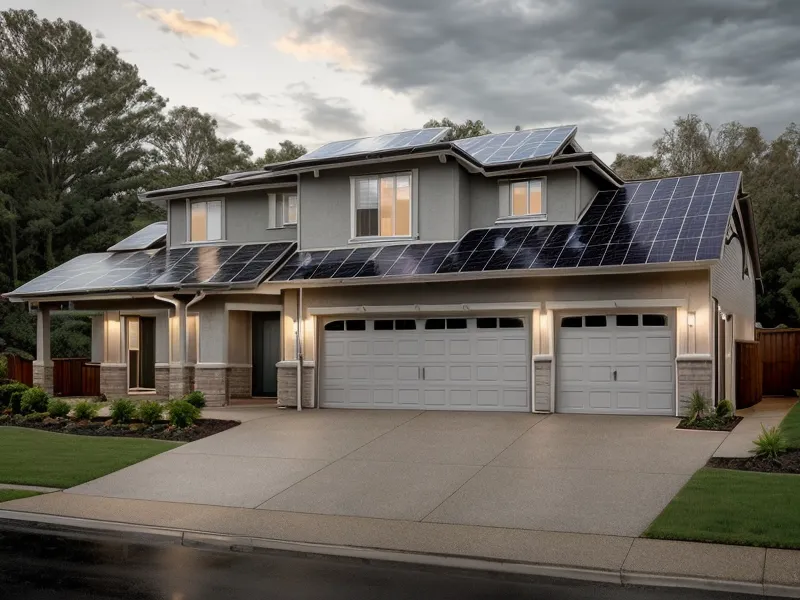
My husband’s text landed before my coffee did, sent from the garage: fridge holding at 37°F, insulin’s fine, three days into that outage and he still wasn’t sure it would stay that way. That’s usually how the solar generator versus gas generator question shows up for us, not as a spec-sheet debate, but as a stopgap decision with somebody’s medication on the line. Readers ask us constantly which setup actually delivers dependable emergency power for a Houston household during hurricane backup season, so here are the real questions, answered the way we’d answer a neighbor asking over the fence.
Quick disclosure: this post contains affiliate links, and if you buy through them we earn a small commission at no extra cost to you. We only recommend backup power gear our own family has run during an actual outage, not stuff we read about on a spec sheet.
Solar Generator Runtime: What It Can Actually Power
A solar generator is a battery with an inverter bolted on, charged from the sun or a wall outlet, and it runs whatever your battery capacity and your appliance list agree to. Bigger units handle a fridge, a router, a CPAP, and a laptop without blinking. Small ones stall out fast once you add a window AC unit or anything with a compressor working overtime.
We won’t walk through the full watts-and-hours math here; we’ve done that breakdown in detail elsewhere, but the short version is: know your appliance list before you shop, because the marketing copy on the box rarely survives a real Houston August.
What Runs First When Someone in the House Needs Medical Power?
Ours is insulin. Somebody else’s might be a CPAP, a nebulizer, or oxygen equipment, and the honest answer is the same regardless: medical loads get plugged in before anything else gets a turn, full stop. We go deeper on how to actually rank and wire that priority list in a separate piece, so we won’t repeat the whole framework here.
Before we owned any dedicated backup unit, we tried plugging a laptop into the truck’s 12V inverter and just idling the engine in the driveway to keep things charged. It burned through a full tank faster than it solved anything, and we don’t recommend it as a real plan.
We wrote up the whole insulin-and-fridge saga, mistakes included, in No Cold Insulin, No Lost Deadlines: Our Real-World Guide to Keeping the Fridge Running. Short version here: whatever system you choose, medical power isn’t the thing you get around to eventually; it’s the first plug, not the last one.
Gas Generators: Where They Still Win, and Where They Don’t
Gas still wins on raw output. If you need to run central air or a well pump, a gas unit will push more power than most home battery systems can match without spending serious money. That’s the trade-off nobody says out loud: more power for big loads, in exchange for noise loud enough to hear through closed windows and a machine that has to live twenty feet from the house because of carbon monoxide risk.
When we borrowed a portable gas unit during our second outage, my husband spent more time checking oil levels and worrying about the carburetor than actually enjoying having power. Gasoline sitting in a garage can doesn’t keep well for long either, so the fuel you stockpile in June might not be reliable by the time you need it. It runs, until it needs babysitting.
Why We Kept Both a Generator and a Battery System
People ask if a solar or battery system replaces a gas generator entirely. For most families, the honest answer is no: it’s less a which-one-wins contest and more a question of which loads go on which system, and we’ve broken that comparison down fully in another piece rather than repeating it here.
We ended up running layers instead of picking a single winner: something silent and instant for the essentials, something louder and stronger held in reserve for a multi-day event. Redundancy felt like overkill until day four of an outage, when our first backup was the one that actually failed. Mapping out that kind of tiered setup gradually, instead of buying everything in one panic purchase, is its own project, and it’s one we’ve laid out step by step elsewhere.
Finding Our Place on the Energy Independence Spectrum
Energy independence isn’t all-or-nothing. There’s a whole spectrum between a family who fully depends on the grid and one who’s disconnected from it entirely, and most Houston households land somewhere in the middle without realizing it’s a spectrum at all. We mapped out where different setups fall on that scale in our Home Energy Independence roadmap.
For us, landing in the middle meant enough backup capacity to protect medical equipment, a workstation, and the fridge for several days, without pretending we were building a bunker. That’s a realistic goal for a family, not a lifestyle overhaul.
The Fuel-Free System We Actually Tested
By early hurricane season, we’d stopped buying off-the-shelf units that didn’t scale and started testing a build-it-yourself option instead: the Energy Revolution System, a digital blueprint for a fuel-free backup setup without the price tag of a whole-home battery wall.
Setting something like this up doesn’t require an electrician’s license; most of it is common hardware and a clear set of instructions, though we’d still tell anyone uneasy with basic tools to have a professional double-check the final connection before relying on it.
My husband ran the build past Brock Fuentes, the assistant coach on his little league team and a licensed plumber, who fixes almost everything with whatever’s already sitting in his truck before he’ll agree to buy something new. His read: most of it would work fine as long as you used what you already had before adding anything.
For a smaller footprint, we also tried the Orgone Motor, which is compact enough for an office or apartment but was never going to run a dryer. On the budget end, the Power Grid Generator is an affordable $49 entry point built around resonance energy recovery principles, and it’s more experimental. We’d suggest checking with a professional if you’re not comfortable with basic hardware.
Four years into testing this stuff for our own family, our take is simple: none of these are plug-and-play, and all three come with a 60-day money-back window if the build isn’t for you.
Are the “Resonance” or Free-Energy Claims on These Kits Legit?
Some of these budget kits lean hard on language like resonance energy recovery or free energy, and that kind of claim deserves real skepticism before you hand over your card. We go through how to actually evaluate those claims, line by line, in a piece dedicated just to that.
Our take, short version: treat the marketing copy as a starting point, not a guarantee, and judge the thing by what it actually powers in your garage, not by the pitch page.
Apartments and Rentals Need a Different Answer
A reader named Selene emailed us from an apartment in Katy after a winter storm, frustrated that every backup power guide out there assumed a driveway and a garage. She lives on the third floor, and a gas generator was never going to be an option for her, no matter the power output.
For a setup like hers, a compact solar or fuel-free battery unit is really the only category that makes sense: no exhaust, no fuel storage, small enough to sit in a closet. She’s been blunt with us in every follow-up email about what actually worked and what didn’t, which is exactly the kind of feedback that keeps a recommendation honest.
What to Do in the First Hour of an Outage, No Matter What You Own
Whatever you own, the first hour matters more than the brand of generator in your garage. Check on anyone with medical equipment first, get perishables into the smallest, most insulated space you have, and only then start troubleshooting the power source itself. We walk through that whole sequence, step by step, in a no-panic guide written specifically for the first hour after the lights go.
That order matters. We’ve seen people spend twenty minutes pulling a starter cord in the rain before anyone checked whether the person on oxygen in the back bedroom was actually okay.
Our Bottom Line for Houston Families
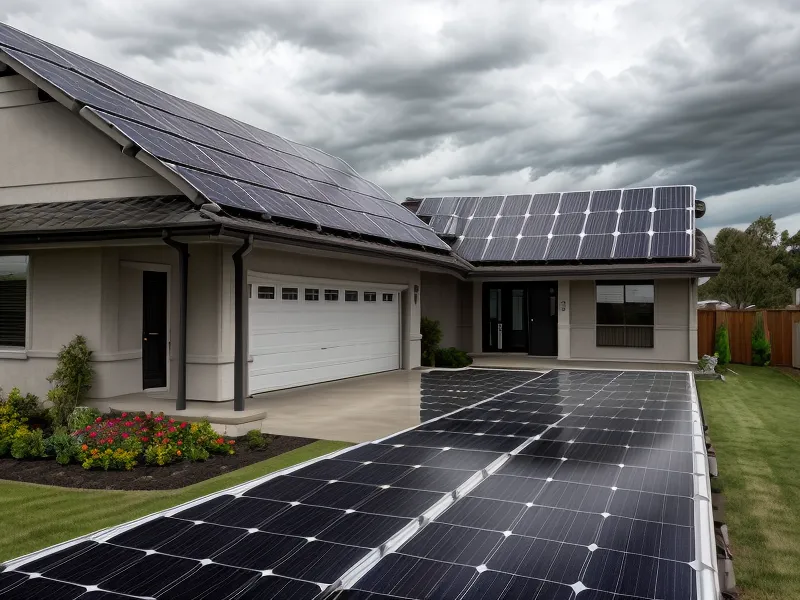
After two bad outages and money spent on gear that didn’t scale with our actual needs, here’s where we landed: a fuel-free battery system for the essentials, a gas unit in reserve for anything that needs serious power, and a plan for which loads go where before the next storm warning shows up. We keep coming back to the Energy Revolution System for the main build, and we documented that whole process, mistakes included, in After Two Houston Blackouts, I Built My Own Backup Power: My Honest Results.
If you’re still running on a single loud generator and a cooler full of ice, it’s worth rethinking before hurricane season catches you flat-footed again. Start with the medical and work loads that can’t wait, then build outward from there: that’s the only order that’s ever made sense for our family.
Nothing on this website constitutes medical, legal, or financial advice. All content is based on the author's personal experience and independent research. Consult a licensed professional for guidance specific to your situation.