
A gas generator can run a window air-conditioner for hours without complaint, but it can't tell you whether a vial of insulin survived the night. My home office needs five quiet minutes to save a file and shut down; our youngest's insulin needs days of steady cold. No single box does both well.
That gap is why we rebuilt our backup energy strategy from scratch after two separate hurricane-season blackouts hit our block in the same year. We've tried the gas generator everyone starts with, a portable solar station that promised endless free power, and eventually a layered system that borrows a little from both. Comparing those three head-on, rather than ranking them on looks or price, works a lot like comparing insurance policies: the right pick depends on which risk actually keeps you up at night.
Gas Keeps the House Cool, Not the Insulin Safe
A gas generator is honest about what it's good for. Point it at a window-unit air conditioner or a sump pump, and it will run as long as you keep feeding it fuel. The catch is the feeding part: gasoline doesn't store well for long stretches, stabilizer or not, so a generator sitting in the garage all hurricane season turns into a fuel-rotation chore, not a one-time purchase.
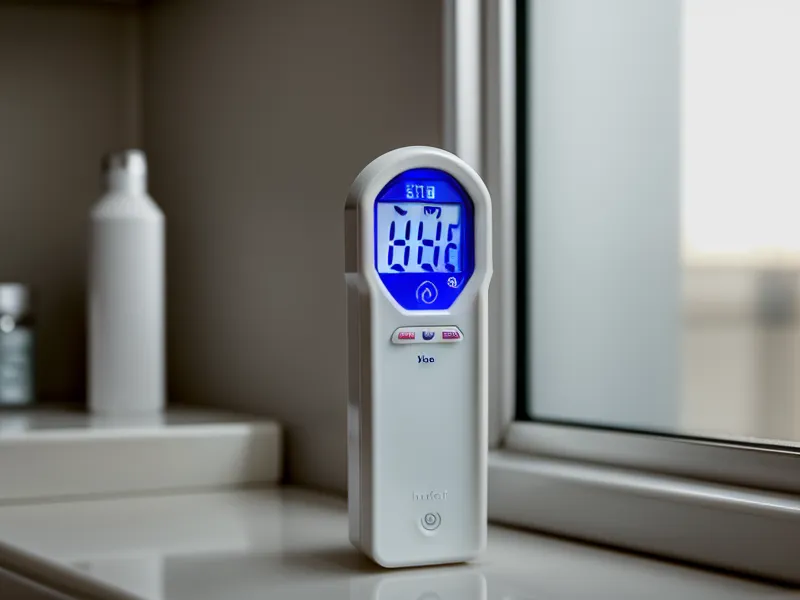
There's also the placement problem. A generator has to sit far enough from windows and doors that exhaust can't drift back into the house, which on a typical lot doesn't leave much room to work with once the cord starts getting slick in the rain. None of that bothered us until we leaned on the generator as our only line of defense for the insulin fridge. It kept things cold enough, technically, but every outage turned into a math problem about fuel, noise, and whether the cord reached far enough without creating a hazard. We tried bridging that gap one year with a chest freezer packed full of dry ice instead of running the generator overnight. It worked for about a day; the ice disappeared faster than we'd planned for, and we were right back to checking a thermometer every hour.
Portable Solar as a Generator Alternative
On paper, a portable solar setup looks like the upgrade: quiet, no fuel runs, nothing to vent outside. In practice, solar output swings hard with cloud cover, and the Houston summer sky doesn't always cooperate. We leaned on ours for a laptop charger and a lamp without complaint, but the moment we asked it to start a refrigerator compressor, it choked. Appliance motors need a bigger jolt to switch on than they do to keep running — engineers call that spike inrush current — and an undersized inverter will just shut itself off rather than risk it. That's a bad moment to discover your backup can't actually back anything up.
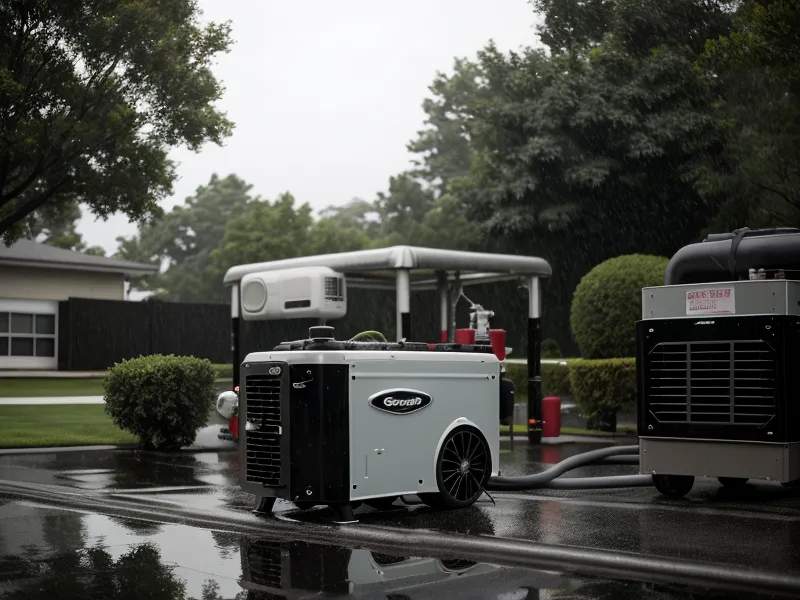
We still keep the gas unit around for exactly that reason, not as the main plan but as the thing we wheel out when the solar station taps out and the Houston grid shows no sign of coming back soon. Every hurricane season also brings a fresh batch of ads for some magnetic or "free energy" device that supposedly never needs fuel or sunlight, and we'd tell any neighbor to treat those claims the way they'd treat a diet pill that promises you can eat anything and still lose weight.
A Layered System for the Home Office and the Medicine Cabinet
A neighbor of ours spends most weekends bass fishing out at Lake Conroe, and when the same outage hit our street, his generator ran fine but the cord feeding his chest freezer full of fish came loose overnight without anyone noticing. Compare that to a layered setup: a small battery that kicks in instantly for the desk, a larger station that holds the fridge, and the generator as the last resort. The difference isn't really about which single device wins. It's about matching each load to the backup that actually suits it instead of asking one box to do everything.

The battery under my desk buys exactly the handful of minutes I need to save a file and shut down without losing client work, which is the whole point of building home-office resilience separately from whole-house power. It switches over quietly enough that the only sign anything happened is a small green readout casting a thin line of light nearby, steady even while a downpour rattles the windows outside. When I finally checked the insulin pen in the hallway drawer, it was exactly as cold as it had been the evening before — not borderline, not warming up, just normal, as if the outage had nothing to do with it.
We still don't treat any single gadget as the final word on insulin safety. A second thermometer with its own alarm backs up the obvious one, because medical-grade caution means redundancy, not a single point of trust.
Choosing Between Backup Approaches Without Guessing
So which approach actually wins? Neither, by itself. Choose a gas generator when the biggest risk is heat and you can commit to rotating fuel and keeping the unit at a safe distance from the house. Choose a battery or solar station when quiet, indoor-safe power for medical equipment or a home office matters more than running a window unit for a week straight.
We went further into the math and the trust-the-grid-less reasoning behind that split in a longer breakdown of how two blackouts and a scare with spoiled insulin changed our whole approach. On the smaller end, the little uninterruptible power supply tucked under my desk has earned its spot more than almost anything else we've bought for this, not because of what it cost but because of the five clean minutes it buys every single time.
None of this makes us preppers, and it hasn't turned our garage into a bunker. It's just two parents who got tired of guessing, and who'd rather hand a neighbor a clear comparison than a scare story. Match the backup to the load it actually has to carry, and the next storm warning stops feeling like a countdown to a crisis.
Nothing on this website constitutes medical, legal, or financial advice. All content is based on the author's personal experience and independent research. Consult a licensed professional for guidance specific to your situation.