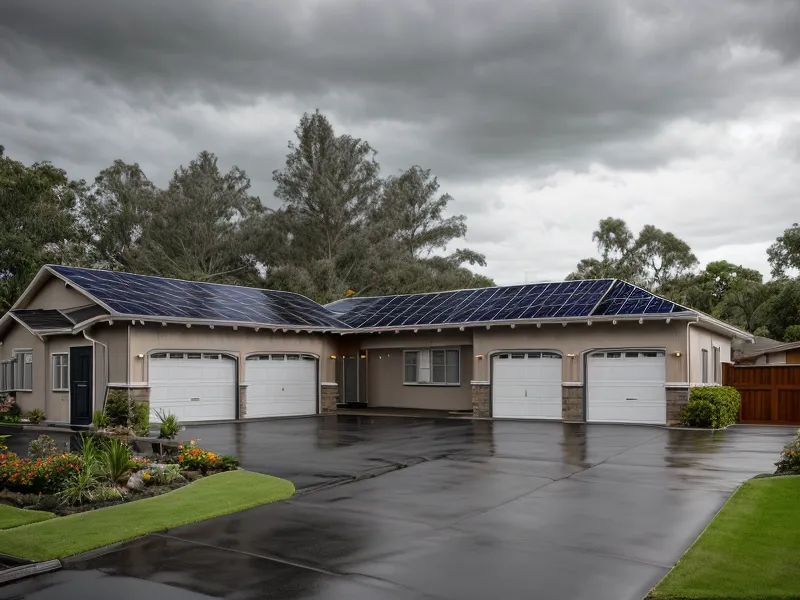
Two power outages in one year was all it took to break our faith in gas. The second one was the bad one: three days of blown client deadlines for my design work, and three days of my husband keeping a cooler of our youngest's insulin cold by hand because the fridge wasn't an option. We aren't preppers, just two parents who found out, twice in the same year, that the grid wasn't going to save us when it mattered. That stretch of hurricane season in Houston is why we rebuilt our emergency power setup from the ground up, chasing diy energy systems that could actually get us energy independence instead of another gas can.
Quick disclosure before we get into it: this post contains affiliate links, and if you buy through one, we earn a small commission at no extra cost to you. Every option mentioned here is something our family actually plugged in and ran during a real outage, not just something we read about and liked the sound of.
The kids were already planted in front of a movie that night, rain hammering the roof, and neither of us had so much as glanced at the generator sitting in the garage. That's usually how it goes — not the storm itself, but the first few minutes after the lights die when nobody has checked anything in advance. My husband ended up making more than one run to the gas station at two in the morning, trying to stockpile bags of ice before the cooler holding our son's insulin lost its edge. The medicine needs to stay inside a narrow window, and watching that number creep upward while the gas pumps across town sat without power of their own is not a feeling I want to repeat.
Why We Stopped Trusting a Gas Generator for Emergency Power
We used to own one of those big, loud gas units, and for a while it did the job. Houston humidity changed that fast. During a mid-July heatwave, with the relative humidity already past 90 percent before breakfast, the generator wouldn't start at all — gasoline that sits too long in that kind of heat turns into something closer to varnish than fuel, and we found that out the hard way. The noise was the other problem. A gas generator running at full tilt sits somewhere around 70 to 100 decibels, loud enough that actually sleeping through a multi-day outage was never on the table for us. Add up the fuel runs, the upkeep, and the nights nobody in the house slept, and the math just stopped making sense.
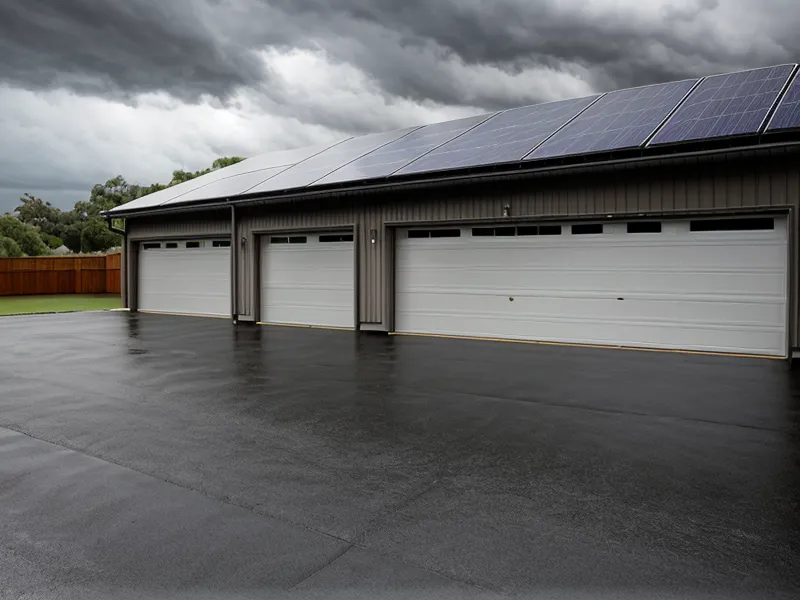
Matching the Build to Your Space: Apartments, Balconies, and Full Houses
Most backup power advice assumes you own a garage and a yard to run things in. Friends of ours live in high-rise apartments near downtown Houston, and their situation looks nothing like ours. You can't run a gas generator on a balcony without breaking rules, risking carbon monoxide drifting back through a shared ventilation system, and probably getting a call from the building before morning. Fuel-less, silent builds solve a problem gas units can't: no tank, nowhere to vent, nothing to feed at 2 a.m.
For anyone stuck in a vertical building, we've pointed people toward compact builds like the Orgone Motor — a smaller footprint than a full house system, but enough to keep a phone charged or a small medical device running through a blackout. For our own house, we went bigger. We spent a weekend assembling the Energy Revolution System blueprints, a fuel-less setup that doesn't care whether the gas station is open or the sun is out.
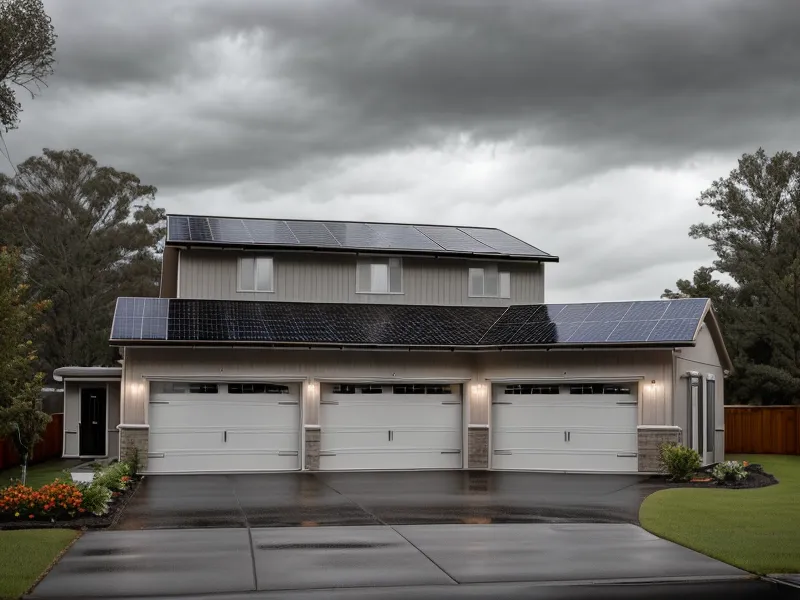
You Don't Need to Be an Electrician to Build One of These
No. My husband coaches Little League on the weekends; he is not an electrician and has never claimed to be one. What made the Energy Revolution System workable for us was that it's broken into step-by-step video instructions rather than a single wiring diagram you have to interpret on your own — if you can follow a parts list from a hardware store and use a screwdriver, the actual assembly is closer to following a recipe than inventing new technology. We'd still rather not learn that lesson for the first time once the power is already out, so we built ours on a calm weekend instead of during a storm watch.
The Surge That Actually Decides Whether Your Fridge Survives
Yes, a fuel-less system like this can run a refrigerator, but only if you understand the one number that matters: the brief startup surge a compressor needs before it settles into a much lower running draw. That gap between startup and steady-state is exactly why some backup setups quietly fail the moment a fridge compressor kicks on — we go into the full math on sizing for that surge in our piece on swapping gas generators for DIY systems, including how we keep a dedicated medical mini-fridge running alongside the main one. Our son's insulin has to stay between 36 and 46 degrees Fahrenheit, and a system that can't survive that first surge isn't backup power, no matter what the box claims.
Weighing the Real Cost Against a Gas Generator
Here's where the comparison gets interesting. Choosing between backup tiers ends up feeling a lot like shopping for home insurance: you're not just buying a product, you're buying how much risk you're willing to carry yourself. The upfront effort on a build like ours is higher because you're assembling it rather than plugging in a box, but the ongoing costs disappear — no more fuel stabilizer, no more driving around hunting for a gas station with both power and a line short enough to wait in, no more engine maintenance. We also looked at the Power Grid Generator early on as a lower-cost entry point while we were still comparing options; it leans on resonance-based energy recovery, which is a newer approach with fewer independent reviews than we'd like, so we'd tell anyone considering it to verify the performance claims for their own setup rather than take any single review at face value, ours included.
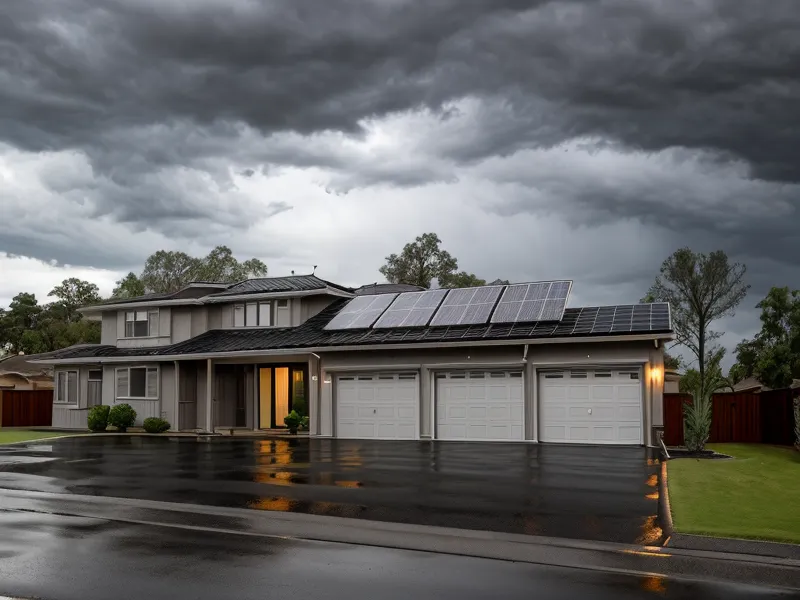
Not long after we finished the build, a transformer blew two streets over during a thunderstorm, and the whole house lost power. Normally that's the cue for the ice scramble and the stress of watching the cooler thermometer creep toward the edge of that safety window. This time, my husband flipped one switch in the garage. No roar, no fumes, no 2 a.m. drive anywhere. The monitors in my office stayed lit, and the fridge stayed cold. That was the entire story.
I still don't have any medical training, so talk to your own doctor or your child's endocrinologist about your specific storage needs rather than taking numbers from a backup-power blog as medical advice. From a parent's perspective, though, watching that fridge light stay on without a gas engine running outside the window changed how we think about our house. If the gas cans and the noise have worn you down the way they wore us down, the system we built is the Energy Revolution System, and it's the piece that reshaped how our family handles emergency power and energy independence.
For the fuller picture of how we layered our whole house's backup plan, we wrote up the details in our guide to building a multi-tiered power plan, which covers how the pieces work together beyond just this one system.
Nothing on this website constitutes medical, legal, or financial advice. All content is based on the author's personal experience and independent research. Consult a licensed professional for guidance specific to your situation.