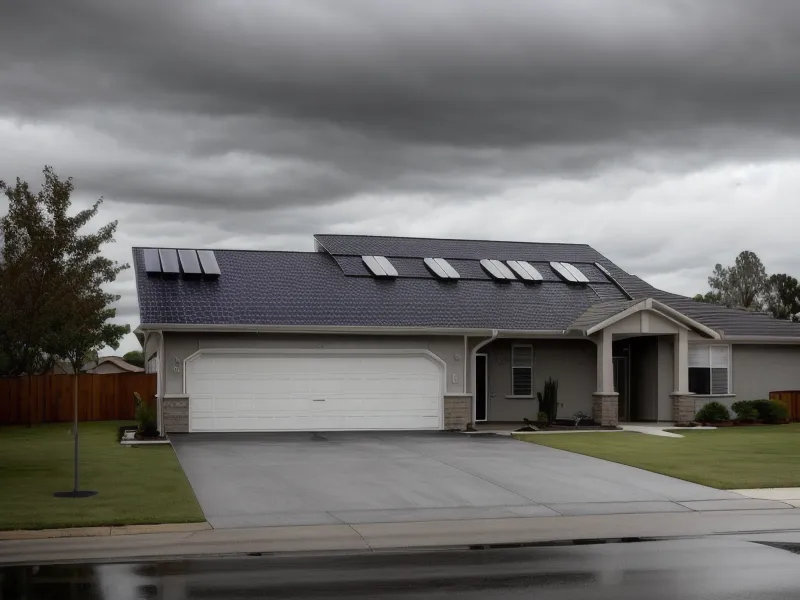
A gas generator answers a blackout with noise, exhaust, and a fuel line that eventually runs dry. A battery-based build answers the same blackout with silence and a number on a screen. That's the real decision behind emergency backup power once you strip away the marketing, and it's the decision our family had to make after two Houston blackouts made hurricane preparedness feel less optional and more like basic home maintenance. We've since tested enough home power systems, real ones and dubious ones, to have opinions worth sharing, and what we landed on is closer to energy independence than either of us expected to need.
Before the breakdown: some of the links ahead are affiliate links, and if you buy through them we earn a commission at no extra cost to you. We only recommend products we've actually put through a real outage, not just a spec sheet.
Where Do You Actually Fall on the Energy Independence Spectrum?
Full off-grid independence sits at one end of that spectrum, solar arrays and battery banks sized to ignore the utility completely. Most families we know, us included, live somewhere in the middle: grid-connected most of the year, with backup power ready for the days the grid can't hold up its end. The grid itself is part of the problem. The Texas Interconnection runs largely independent from the rest of the country's power grids, which is part of why storm season here carries a different kind of risk than it does for relatives up north.
Where you land on that spectrum should depend on what you can't afford to lose, not on how impressive a setup looks online. For us, that meant medical-grade cold storage came first, work equipment came second, and everything else, the TV, the kids' tablets, came a distant third.
Runtime Math Beats Guesswork, Every Time
He's the one who does the actual math before we buy anything: how many watts a fridge draws when the compressor kicks on, how many hours we need to bridge, how much buffer to build in for a heat wave when everything runs harder. Skip that math and you end up with a system that looks capable on a spec sheet and dies four hours into a three-day outage.
A rough rule that's served us well: if a system can't comfortably run your fridge and one more essential load for a full day without the voltage sagging, it's undersized for a real Gulf Coast outage, not just an inconvenient one. Sizing a backup system is a lot like planning gas stops for a road trip, guess wrong on either one and you don't find out until you're already stranded.
Sorting Home Power Systems Into Tiers Before the Power Even Flickers
Medical loads get their own tier, full stop. Insulin needs to stay within a safe temperature range, and that clock doesn't pause because the grid is having a bad night. Our friend Miriam, who spent years working as a pharmacist before we ever needed her advice, explained why the fridge mattered more than the router, she's the type who goes completely calm the moment a real problem shows up and visibly irritated by a manufactured one.
After medical needs comes anything tied to work or communication, router, laptop, a phone charger, because a freelance deadline lost to a blackout doesn't get an extension from the client. Everything past that tier is comfort, not necessity, and treating it that way keeps the whole plan realistic instead of expensive for its own sake.
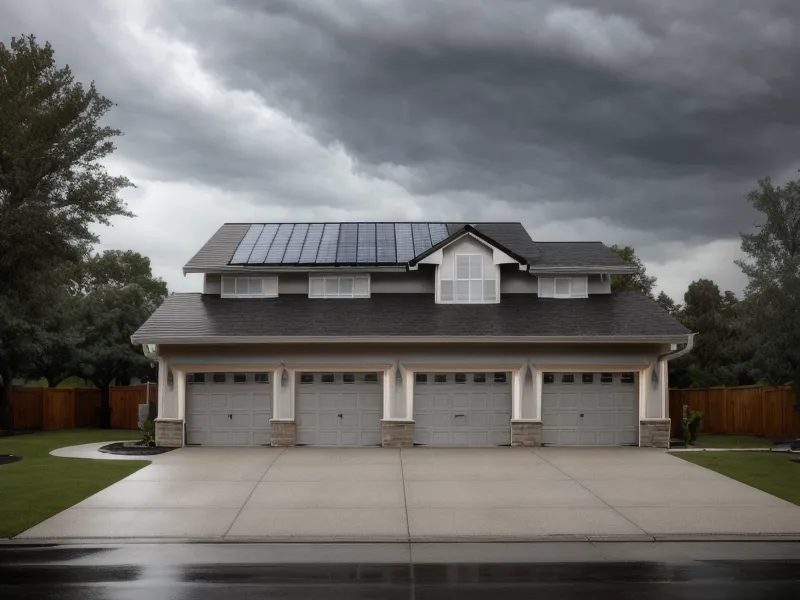
The Silent Failure Point in Emergency Backup: Running Out of Fuel at 2 AM
Fuel dependence is the failure point nobody plans around until it happens. During one outage, we made repeated runs to the gas station at two in the morning trying to stockpile ice bags before things got worse, standing in a line of headlights with everyone else who'd had the same idea at the same hour. It didn't work. The ice was half slush by the time we got it home, and the gas station ran out of bags before we ran out of nights.
That's the argument for a system that doesn't need a fuel run in the first place. Run a heavy load through a cheap extension cord for a couple of hours and you'll smell the warm vinyl before you see any actual damage, that's your cue to unplug something, not a quirk to shrug off. Fuel-free doesn't mean maintenance-free. It just moves the maintenance from a gas can to a battery gauge.
Do 'Free Energy' Builds Actually Hold Up?
Some of the cheapest builds on the market lean on language that should make anyone pause -- resonance energy recovery, free energy, self-sustaining loops. The Power Grid Generator markets itself around resonance energy recovery principles, and to its credit it's upfront that the performance claims need personal verification before you trust it with anything important. We treated it as a curiosity, not a plan.
The Orgone Motor is the honest opposite of an overreaching claim -- small footprint, modest output, built for keeping a phone or a lamp alive in an apartment, not for saving a fridge full of groceries or a freelance deadline. If your entire need is charging a device in a small space, it's a reasonable, inexpensive answer. It was never going to cover our situation.
Why We Landed on a Buildable Blueprint Instead
What we wanted was something scalable enough for a fridge and a home office, without the noise complaints that come with a gas motor running all night next to a neighbor's bedroom window. That's what pointed us toward the Energy Revolution System, a digital blueprint rather than a pre-built box, which sounds like more work and, in a specific way, is -- you're assembling it, not unboxing it. Readers who want a deeper walk-through of that in-between approach can find it in our hybrid power strategy piece.
Building it yourself means the ceiling on output isn't set by whatever a manufacturer decided to box up. The Energy Revolution System's guide walks through assembly step by step on video, and the capacity scales with what you actually build rather than a fixed model number. We stuck with a standalone setup and left the main electrical panel alone entirely, that's exactly the kind of work that calls for a licensed electrician, not a couple with a video guide. The full account of that build, including what we'd change, is in our honest experience with DIY backup power.
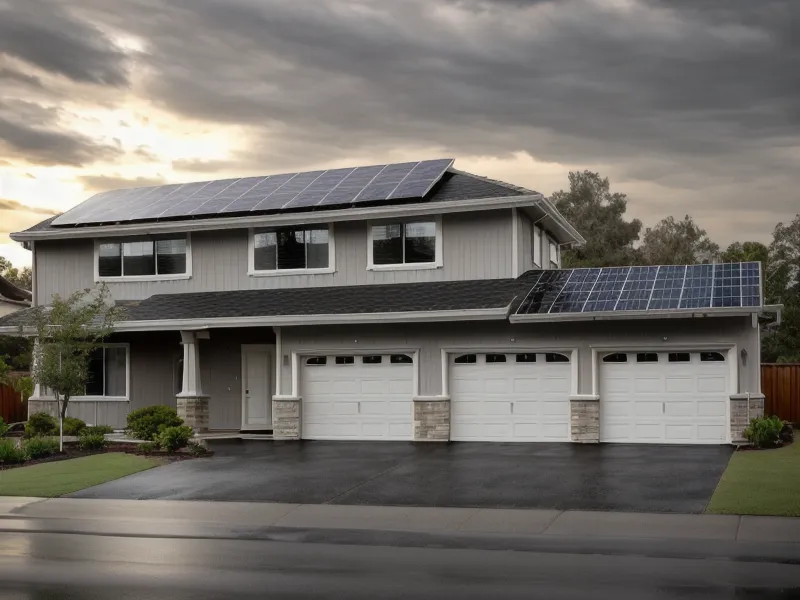
The Hurricane Preparedness Setup We'd Actually Trust
During Tropical Storm Harold, I was still at my desk chasing an 11 PM client deadline when the monitor lights just died mid-upload, no flicker, no warning beep first. That's the exact scenario the whole plan was built around, and it's the one that used to end badly.
By the next storm that rolled through, the office stayed lit, the router held its connection, and the fridge never left its safe range, no gas run, no ice slush, no adrenaline spike over a client file.
If your goal is a scalable system you actually understand, right down to which load pulls how many watts, the Orgone Motor is a fine answer for a phone in an apartment, but it won't save groceries or a deadline. For anything bigger, the Energy Revolution System is the one we'd point a hurricane-prone neighbor toward first, a blueprint you build once and trust every storm after.
The card below breaks down exactly what's included, so weigh it against what a bad week without power actually took from us the last two times, the spoiled groceries, the missed deadlines, the 2 AM gas station lines.
Energy Revolution System
Pros
- ● Complete step-by-step video blueprint for beginners
- ● No fuel or noisy engines to maintain
- ● Scalable power for high-draw appliances like fridges
- ● Significant savings over pre-built integrated units
Cons
- − Requires manual assembly and basic tools
- − Digital-only guide means no physical hardware in the box
Nothing on this website constitutes medical, legal, or financial advice. All content is based on the author's personal experience and independent research. Consult a licensed professional for guidance specific to your situation.