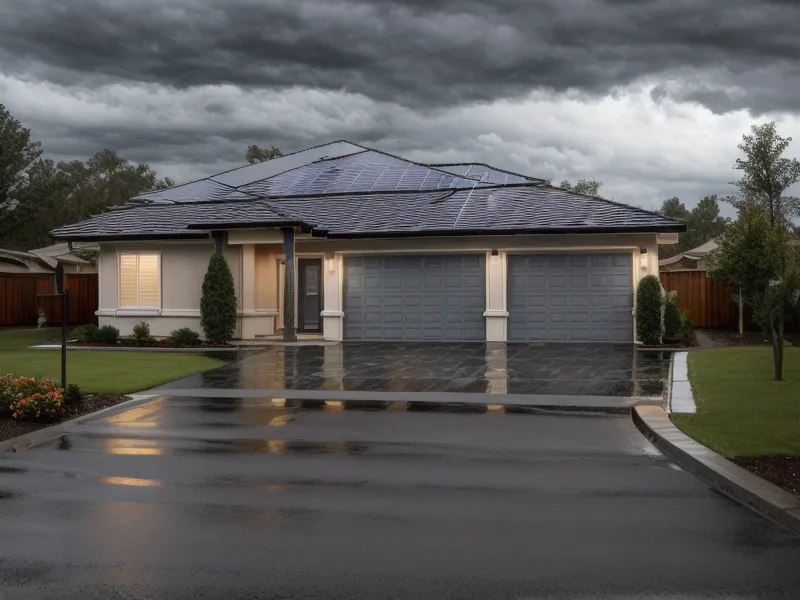
How long can a refrigerator full of insulin hold a safe temperature once the power drops and nobody knows when it's coming back? That question used to keep me up more than any storm warning ever did. We live outside Houston, where the grid gives up more often than it should, and our youngest needs insulin kept cold no matter what the weather's doing outside. Home backup power stopped being a hobby project for us and turned into hurricane readiness and medical-emergency prep rolled into one — something we test, argue about, and rebuild every single season.
Quick disclosure before we go any further: this post contains affiliate links, and if you buy through one, I earn a commission at no extra cost to you. Everything mentioned here is something my husband and I have actually run during a real outage, not something we read about and repeated. Neither of us is a doctor or an electrician — just two parents who got tired of guessing — so take the medical side to your own physician and the wiring side to a licensed electrician before you act on any of it.
That Saturday, we'd taken the kids for a walk along the Woodlands Waterway, snow cones in hand, with zero sense the forecast was about to turn. Two days later the wind picked up and didn't stop.
A bunker wasn't the goal. We needed the fridge running, a couple of lamps, my laptop — enough to ride out whatever the grid was doing, for as long as it took. That hunt is what led to our own no more melted insulin notes, written after one too many close calls. What you do in the first hour after the power drops matters more than most people assume, and it's a completely different set of moves than what gets you through day three of the same outage.
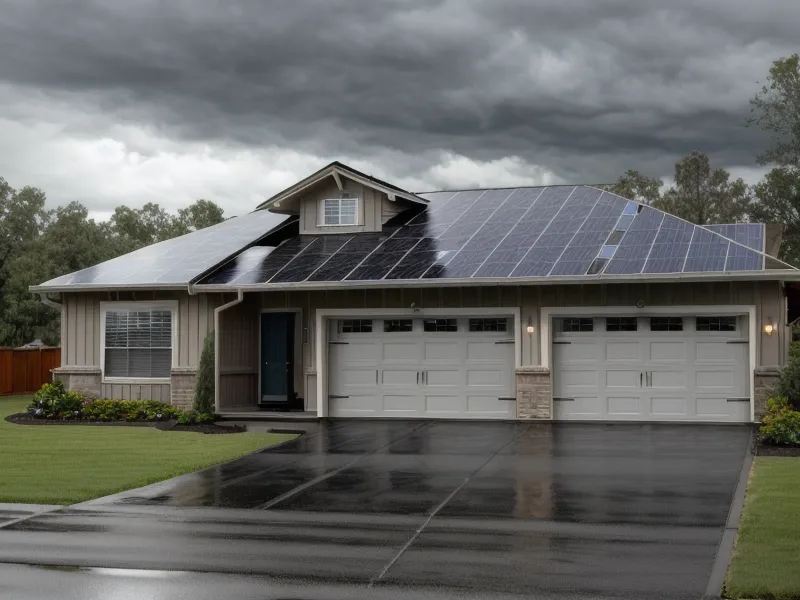
The Cooler Only Bought Us So Much Time
Ice and a cooler will buy you a few hours, not days. For us the fridge came before anything else on the list — before the WiFi, before the lamps, before the two monitors I need for client work. We never sat down and ran the actual watt-by-watt math before buying our first device, which turned out to be exactly backwards. There's a whole calculation you're supposed to run first, matching what you plan to power against what a system can actually deliver, and we skipped it completely the first time around.
The DIY Kit That Never Left the Box
Before any of the systems we use now, we ordered a DIY magnetic generator kit off the back of a YouTube ad that promised far more than it could deliver. It showed up as a box of loose parts with instructions written for someone who already knew what they were doing. It sat in the garage for months. Never got built. There's a separate rabbit hole about which of these free-energy-style claims hold up to real scrutiny and which fall apart under a screwdriver, and ours fell hard into the second group.
Our neighbor a few doors down, who spends his weekends on woodworking projects in his home workshop, took one look at the parts spread across our garage floor and just shook his head. Not his kind of build either. He's handier than either of us, and even he wasn't interested in salvaging it.
Medical-Grade Backup Power, Explained Plainly
When you're protecting medication instead of just convenience, good enough stops being good enough. We looked at the Power Grid Generator early on — an affordable build based on resonance energy recovery that mostly meant our phones stayed charged and a couple of lamps stayed on. It never quite had the muscle for a full-sized refrigerator compressor, and the trade-off between quiet and powerful showed up right there, bigger than we expected going in. We also tried the Orgone Motor, compact enough for an apartment or a single dedicated medical fridge, with a build guide clear enough that my husband didn't need to call anyone for help. It kept my router and monitors alive through a test run, which mattered more to my deadlines than the size of the box suggested it would.
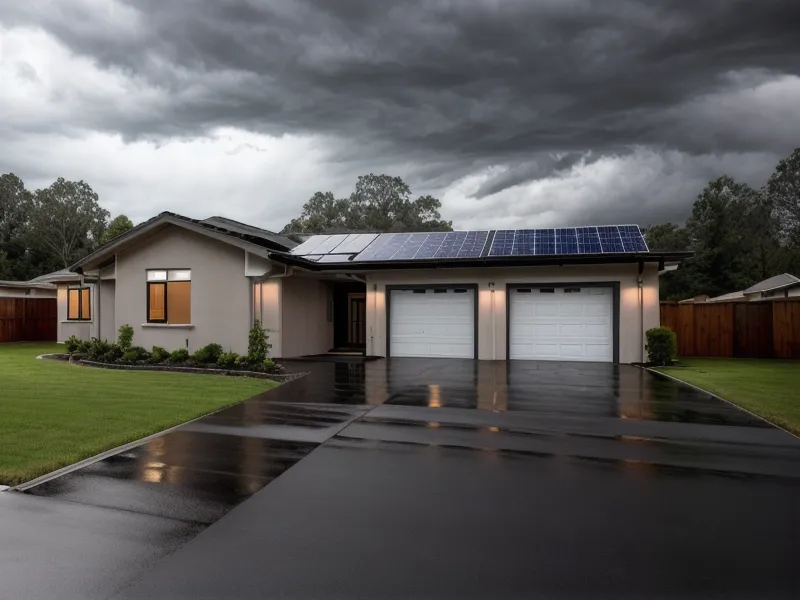
Testing the Energy Revolution System
My husband put the Energy Revolution System together himself, over a couple of weekends before hurricane season really got going, without calling in an electrician for it — though we're both clear that's not the right call for every household or every wiring setup. The videos walked him through each stage, and what sold us wasn't the size of the thing. It was the absence of fuel. No more middle-of-the-night runs looking for a gas station that still has something in the pumps. He still remembers the diesel smell that used to cling to his hands after refueling our old generator in August humidity, and he does not miss it.
I plugged the fridge cord into the new setup myself and stood there waiting for a sound that never came. No strain, no warning click — just the ordinary tick of the compressor settling into quiet. By week seven of running it through regular tests, that quiet had stopped feeling like luck and started feeling like the plan working. It felt less like starting our off-grid journey and more like finally arriving somewhere we'd been trying to reach for two hurricane seasons.
How Our Three Options Stack Up
Choosing between these depends on your specific medical needs and how much assembly you're willing to take on. Here's how the three systems we actually tested stack up for a family managing real medical equipment, not just convenience gadgets.
| System | Best For | Reliability | Setup Effort |
|---|---|---|---|
| Energy Revolution System | Whole Fridge + Home Office | High (Continuous) | Moderate (DIY Build) |
| Orgone Motor | Small Medical Fridge | Medium | Low (Compact) |
| Power Grid Generator | Phones & Basic Lights | Low (Backup Only) | Very Low |
We ended up with layers instead of one big bet — smaller units for quick, mobile needs, and the Energy Revolution System for the outages that stretch past a day, which around here is most of them. Whether a battery-based setup beats a cheaper generator route entirely is a longer argument than fits in one article. There's also a whole spectrum between fully grid-tied and fully independent, and we're somewhere in the middle of it, not camped out at either end. We wrote more about how we landed on a permanent setup over portables in our piece on portable vs permanent backup power.
One Lesson for Anyone New to Hurricane Season
If there's one thing I'd tell a family just moving into hurricane country, it's this: solve for your specific emergency first, not the biggest system you can picture. For us that meant the insulin and my ability to keep working, not a whole-house solar array. A heavy thunderstorm took out the neighborhood transformer a few weeks back, and our setup handled it without any drama — I stayed at my desk, finished a logo file, and checked the fridge thermometer instead of scrambling for ice. That's the actual win: fewer emergencies, more ordinary Tuesdays. If you're ready to build real energy independence instead of hoping the grid holds, you can check out the Energy Revolution System here and see whether it fits your family the way it fits ours.
| Product | Rating | |
|---|---|---|
| Energy Revolution System Top Pick | 9.2 | Read More → |
| Orgone Motor | 8.5 | Read More → |
| Power Grid Generator | 7.8 | Read More → |
Energy Revolution System
Pros
- ● Reliable enough for medical refrigeration
- ● No dangerous fuel storage required
- ● Significant cost savings over retail batteries
- ● Step-by-step videos make assembly clear
Cons
- − Requires active assembly and testing
- − Digital-only delivery of blueprints
Nothing on this website constitutes medical, legal, or financial advice. All content is based on the author's personal experience and independent research. Consult a licensed professional for guidance specific to your situation.