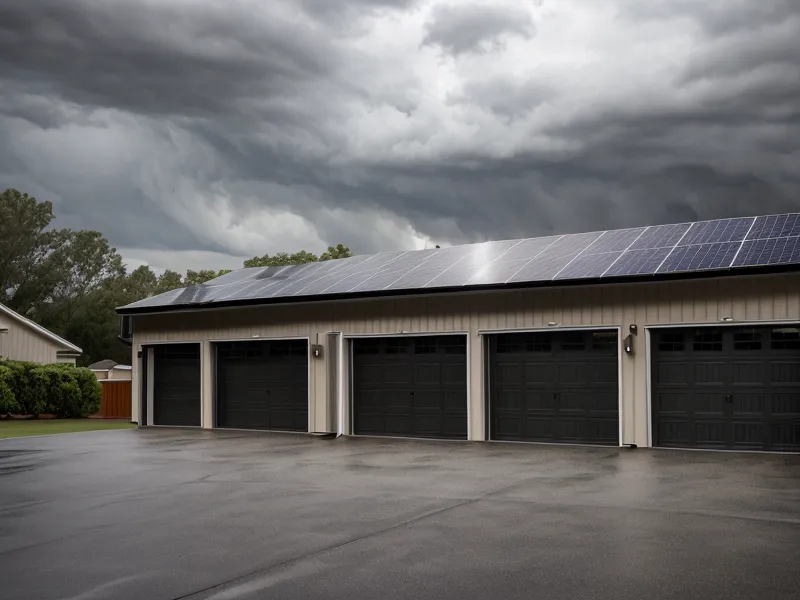
A refrigerator only holds a safe temperature for so long once the compressor stops running. That single fact is the reason we stopped shopping for one emergency power fix and built a hybrid setup instead — one tier for insulin storage in the kitchen, another for keeping my home office running through a blackout, neither one doing the other's job.
Two extended outages in the same year taught us that lesson the hard way. We live on a cul-de-sac south of the city, close enough to the coast that the last two evacuation lines both got drawn about fifteen minutes from our front door, and both outages left us scrambling for completely different reasons — one for the fridge, one for my client deadlines. A single generator, however big, was never going to solve both problems at once.
Two Systems, One Emergency Power Plan
We ended up building around two separate tiers instead of one, and figuring out where the line between them falls is basically the whole exercise. A refrigerator compressor and a central air unit both want more raw wattage than almost any battery pack can offer, and a generator delivers that — loudly, and only as long as there's fuel on hand to rotate and store with some care. A battery station does the opposite. Quiet. Plug-and-play. No engine to maintain, but only as much power as its cells hold before it needs a recharge. Somewhere between those two is where most families actually need to build, and that middle ground is the whole idea behind going hybrid — not full independence from the grid, just enough overlap between tiers that one outage stops being a crisis. Building it this way ended up feeling a lot like household budgeting: you don't get one number that magically covers every category, you decide what has to be funded first and let everything else compete for what's left.
The Insulin Storage Problem That Changed Our Plan
Insulin is the one thing in our house that can't be improvised. It has to stay inside a fairly narrow range, and losing that range for too long means we can't trust what's left in the fridge — not something either of us is willing to gamble on twice. During the first outage, he spent hours running ice packs from a neighbor's freezer to a cooler on the counter, checking a thermometer like it owed him money.
That scramble is exactly what medical-load priority is supposed to prevent: deciding in advance what never loses power, instead of deciding under pressure in the middle of the night. For us that meant the insulin fridge got a dedicated battery output before anything else in the house got a plug, generator included.
Home Office Backup Means More Than a Laptop Charger
My desk sits in what used to be a spare bedroom, two monitors facing the yard, and every client deadline I have runs through that room. A dead laptop battery is annoying for an afternoon. A dead router through a three-day outage can cost a contract. Connectivity turned out to matter almost as much as refrigeration once we mapped out what "essential" really meant for our family — the modem and router needed to stay powered right alongside the fridge, not as an afterthought tacked on later.
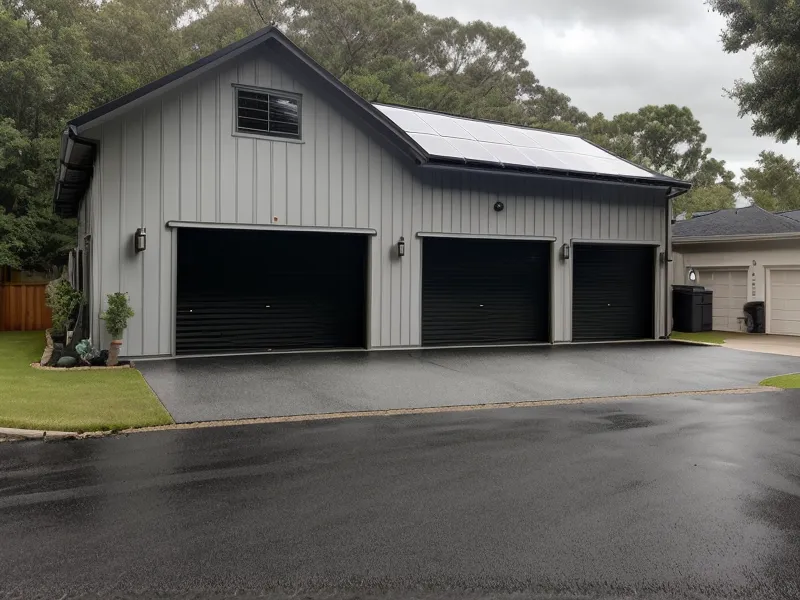
He wired the battery tier so the router, my monitor, and the kitchen fridge all draw from the same unit, and getting it running took one afternoon with a plug and a power strip — no electrician, no permit, nothing more complicated than reading the manual twice. We eventually settled on portable power stations for home office and refrigerator backup that could carry both loads without flinching, which is a very different shopping decision than picking a generator for the whole house.
Where the Generator Still Earns Its Keep
None of this means we got rid of the generator. Central air is the load that breaks a plan like ours — a compressor that size drains a home battery fast, and going without air conditioning for days in a Houston summer isn't just uncomfortable, it's a real risk for anyone in the house. That's where gas still wins: sustained, heavy wattage for loads a battery tier was never built to carry. The trade-off is noise and fuel logistics, both of which we manage instead of pretending they don't exist — gasoline doesn't keep indefinitely, so a rotating supply with stabilizer is part of the routine now, not a one-time purchase we forget in the garage.
Low-tech backup matters just as much here. Blackout curtains and a couple of small DC fans cut the heat load in the house manually, so the battery tier isn't fighting the Texas sun on its own, and we're not burning generator fuel just to keep a bedroom bearable.
What Didn't Work, and What We're Skeptical Of
Not every fix earned a permanent spot in the plan. Early on, he grabbed a cheap UPS from an office supply store — the kind meant to give a desktop computer a few minutes to shut down safely — thinking it might buy the fridge some time. It lasted about twenty minutes before the alarm started chirping again, a fairly blunt reminder that the cheapest option on a medical load is rarely the right one. Portable solar had its own letdown: gray, storm-covered skies for days at a stretch meant the panels barely kept a laptop topped off, let alone anything bigger, which taught us not to count on the sun showing up on schedule.
We've also gotten skeptical of anything marketed as a box that solves backup power forever with no fuel, no plug, and no upkeep. If a pitch sounds like it beats basic physics, it usually does. Cheryl, two doors down, still logs every outage by hand in a paper notebook instead of an app, and between her notes and our own testing on the concrete pad behind the garage, we've run pieces of this system through three separate storms now — including once hauling a small unit out to Clear Lake Park in Southeast Houston for a family afternoon, just to see how it held up away from home. We've written before about the honest experience with DIY backup power systems that came out of that first round of trial and error.
Which Tier Should You Build First?
So which one comes first, the battery or the generator? It depends on what's actually at stake in your house. Start with a quiet battery tier, sized to those specific loads, if you've got a medical device, a home office income, or anything that can't tolerate a gap in power — it's the faster win and the lower-risk purchase. Start with the generator instead if your bigger risk is heat, spoiled groceries for a large family, or running central air for someone medically vulnerable to losing it; the battery tier becomes the refinement you add once that heavier load is covered.
A neighbor named Dwight reached out through our contact form a few months after our second bad outage — his son runs on a home oxygen concentrator, and by the time we talked, he'd already done more wattage math on paper than most engineers do in software. His answer matched ours: medical load first, everything else negotiable. We stopped chasing a single solution once we lined his numbers up against our own and saw the same pattern twice.
Walking into the kitchen the morning after a storm now and just making coffee like any other day — that's still the detail that gets me. Not dramatic. Just ordinary, which is the entire point of building it this way. Figure out the load you can't afford to lose, add the muscle for everything else once that's covered, and don't let anyone talk you into one machine solving both problems at once.
Nothing on this website constitutes medical, legal, or financial advice. All content is based on the author's personal experience and independent research. Consult a licensed professional for guidance specific to your situation.