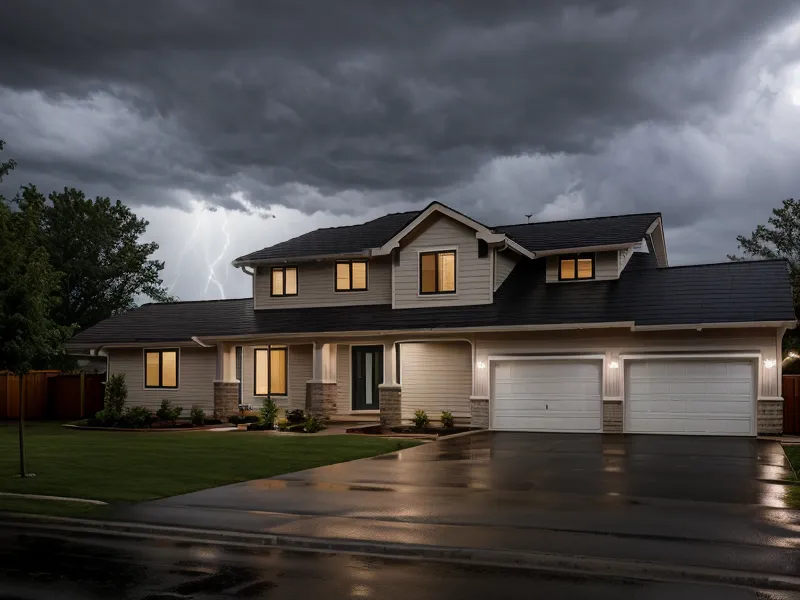
Two systems have passed through our garage in the four years since our first real hurricane scare, and we'd only recommend building one of them. One was a gas inverter generator, bought in a panic after our second extended blackout. The other was a modular battery blueprint we assembled ourselves at the kitchen table, one evening at a time. Both claimed to solve the same problem — keeping a Houston household running when the grid goes down. Only one still gets used. Comparing them side by side, instead of picking whichever one showed up in an ad first, is what actually taught us something about DIY backup power and home battery systems that most hurricane-preparedness checklists skip.
Quick disclosure before we get into it: this post contains affiliate links, and if you buy through them we earn a commission at no extra cost to you. We're not electricians and we're not professional preppers — just a family that got tired of losing days of work and worrying about medication storage every time a storm rolled through. Everything compared below is gear or a build we tested ourselves during actual Texas outages. Full disclosure is available on our site.
(She) I still remember the night Tropical Storm Harold rolled through and I kept two client files open by phone flashlight until past eleven, refusing to admit the power was already gone. I'm a freelance graphic designer, and every hour without power is an hour a client's project sits untouched. The year before, a blackout cost me three days of work and nearly cost us two contracts. That memory was still raw when the generator-versus-blueprint decision came up, and it's a big part of why we took it so seriously.
(He) My first worry wasn't the client files. It was our youngest son's insulin, which has to stay refrigerated no matter what the thermostat says outside. The year before, that worry had eaten every hour of a three-day outage, and I'd hated how little control I had over something that mattered that much. I wasn't interested in gambling on it a second time.
We Compared a Loud Generator to a Blueprint We Could Fix Ourselves
Cheryl, our neighbor two doors down, asked the real question first. We were walking the Kemah Boardwalk a while after that storm, half-heartedly looking at the boats, when she cut through the small talk: how do you actually know one backup option is better than another, instead of just liking it more? Cheryl doesn't take a claim at face value until she's seen the math, and she was right to push. Up to that point we'd mostly been comparing vibes, not results.
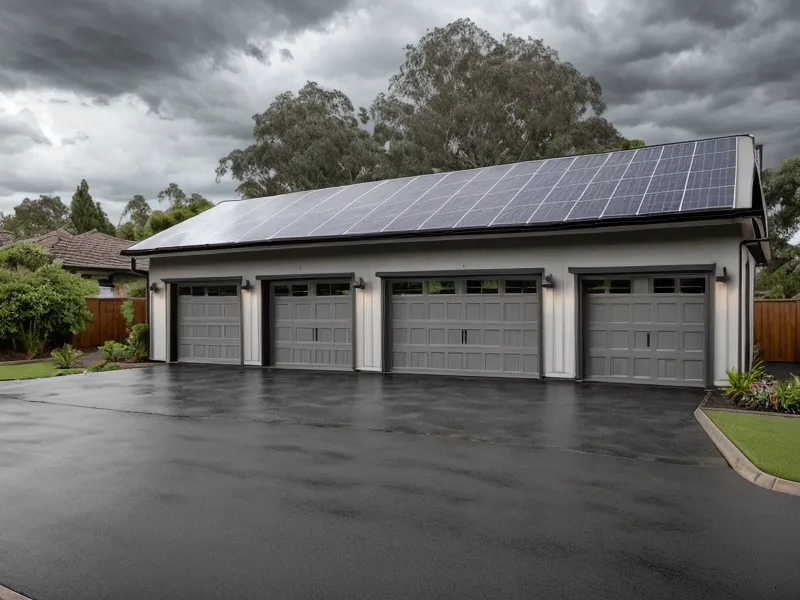
(She) So we broke it down properly. All-in-one power stations are the easy answer — one box, one battery, done — but if a single component fails, the whole unit turns into an expensive paperweight, and most have a shelf life of only a handful of years. A modular system is more work going in. You have to actually understand what you're building. But it means replacing one worn part instead of the entire unit, and that changes the math on total cost over time in a way a single sticker price never shows.
(He) That's what pulled us toward the Energy Revolution System. It isn't a box that shows up on a pallet — it's a blueprint, a set of video guides walking through the build piece by piece. I'm a little league coach, not an electrician, and the appeal wasn't that it was easy. It was that if something broke during a storm, I'd actually know how to fix it, because I'd built it with my own hands.
The Real Trade-Off: Noise, Fuel, and Control
(He) The generator was the opposite experience. It ran fine on paper — decent output, simple to start — but it was loud enough that running it anywhere near the house at night felt like announcing our address to the whole cul-de-sac. Hauling a full gas can from the trunk to the backyard left my shoulder aching every single time, and refueling in the middle of a storm is its own kind of miserable. We tried it two nights and gave up. It went back to the garage shelf and mostly stayed there.
(She) We'd also gotten quotes for a professional whole-home install, and they ran upwards of twenty thousand dollars — completely outside what made sense for us. Building through the Energy Revolution System guides got us reliable power to my office and the kitchen fridge for a fraction of that, and what we actually got wasn't self-sufficiency for its own sake — it was energy independence in a practical sense: not being fully dependent on ERCOT holding up every time a front rolls through.
For an apartment or a smaller household, we wouldn't necessarily point you toward a full build. The Orgone Motor is a compact option that's enough for phones, a fan, and small essentials without needing a dedicated outdoor space. On the tighter end of the budget, the Power Grid Generator runs about fifty bucks and gets you a working entry point, though it takes more patience to dial in. The right answer really depends on what's actually on the line. Our neighbor Dwight reached out a few months after our second bad outage — his son uses a home oxygen concentrator, and he wanted to know whether a backup setup could actually be trusted with something that critical, not just convenient. That's a different calculation than keeping a phone charged, and it's worth being honest with yourself about which one you're actually solving for before you spend a weekend building anything.
The Two Approaches Held Up Differently When the Grid Actually Failed
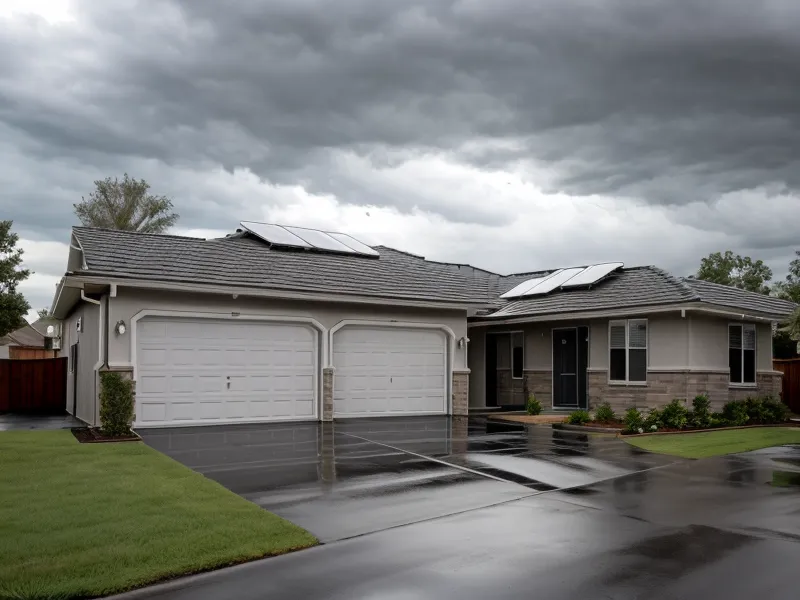
When the next big outage hit, the difference was obvious within the first hour. We flipped the transfer switch, and the kitchen island light stayed on without any of the racket we'd grown to dread from the generator. No trip to the garage, no fuel to manage, no neighbors peeking out to see what was running. That quiet is genuinely part of the value — you can run a modular battery system through the night without turning your block into a job site.
(He) I checked the fridge thermometer obsessively for the first hour, same as always, but the numbers stayed exactly where they needed to be the whole time, no scrambling required. Figuring out ahead of time how many watts the fridge and my son's supplies actually need is its own project, worth doing with real numbers before you build anything, not guessing after the power's already out. Once we'd done that math, the rest was just watching the system do what it was built to do.
(She) I finished an actual client deliverable during that outage, sitting at my desk with both monitors running like it was any other Tuesday. That's the real difference between a backup and independence — a backup buys you a few hours, independence means the outage barely changes your day. We go into more detail on how we split the fridge and the office load in our piece on keeping the fridge running and the files saving during Houston blackouts.
Is the DIY Backup Power Route Right for Your Household?
Not everyone should build their own system, and we'd rather say that plainly than sell you on something that doesn't fit your life. If you want a plug-in box you never have to think about again, a pre-made unit is the more honest choice. It's a bit like paying for full insurance coverage instead of self-insuring: you're buying certainty rather than the cheapest possible outcome, and that's a completely reasonable trade for plenty of families, even knowing the unit will likely need full replacement in a few years instead of a part swap. We've broken down that comparison in our piece on choosing the right battery backup for fridge and freezer units, including where a pre-made option actually makes more sense than building one.
(He) One thing we say every time: I'm a coach, not an electrician, and I have no medical training. Talk to your own doctor about how your family's specific medications or equipment should be stored, and if any part of the wiring makes you uneasy, bring in a licensed electrician for the final connections. None of this is worth a shortcut.
(She) Four years and two very different systems later, our rule of thumb is simple. Build it yourself when you want to understand and expand your own setup, when quiet matters because you live close to neighbors, and when the thing you're protecting — medication, a work deadline, a kid's routine — is worth the extra weekend of assembly. Reach for a pre-made box or a compact option instead when your needs are smaller, when you're renting or short on space, or when you'd rather pay for convenience than build patience. Cheryl eventually got her math. Dwight got his answer too.
If the loud generator and the missed deadlines sound familiar, the Energy Revolution System is where we'd point you first for a full household build — it's the blueprint that got us out of guessing and into a working setup. You can read more about the specific hurdles we ran into putting it together in our review, keeping the lights on and the insulin cold beyond gas generators.
There's always another storm coming — that's just Houston. The choice isn't really whether you'll face another outage; it's whether you've already tested your answer before you need it. We tested two, and we know exactly which one is staying in the garage.
Energy Revolution System
Pros
- ● Modular design allows for easy part replacement and long-term use
- ● Significantly cheaper than professional whole-home generator installs
- ● Step-by-step video guides make assembly manageable for non-electricians
- ● Provides reliable 120V power for critical medical and work devices
Cons
- − Requires manual assembly and basic tool use
- − Not a 'plug-and-play' instant solution out of the box
Nothing on this website constitutes medical, legal, or financial advice. All content is based on the author's personal experience and independent research. Consult a licensed professional for guidance specific to your situation.