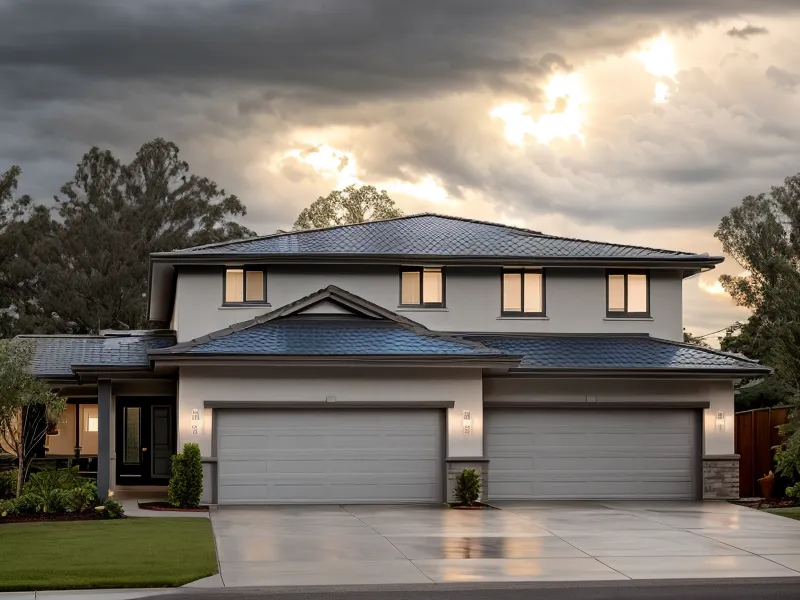
Thirty-six to forty-six degrees. That's the safe window for our youngest's insulin, and it's the number that ended up deciding whether we kept trusting Houston power and the Texas grid after two extended blackouts in the same year. We weren't chasing full energy independence overnight — we just wanted the lights and the fridge to survive the next storm.
Quick disclosure before anything else: this post contains affiliate links, and buying through one earns us a commission at no extra cost to you. We only write about backup power products we've tested ourselves, through our own outages. Neither of us is a doctor or a licensed electrician, so check with your child's care team and a qualified contractor before changing anyone's medical routine or your home's electrical setup.
The Myth That Kept Us Unprepared for Houston Blackouts
(She): Here's the misconception that cost us two blackouts' worth of lost income and ruined food — backup power is supposedly an all-or-nothing choice. Buy a loud gas generator and live with the fumes and the fuel runs, or go full prepper with rooftop panels and a bunker mindset. We believed some version of that for years. It's also why we did nothing until reality forced our hand.
(He): Neither of those extremes describes us. I coach little league on Saturday mornings, not survivalist drills in the backyard. Somewhere between "ignore it completely" and "build a bunker" is where most families actually live, and nobody was writing emergency preparedness advice for people like us.
What Didn't Work for Our Family First
(She): My failure came first. During the second blackout, I tried running my whole design setup off a small camping battery I already had in the garage, figuring it would carry me through a client deadline. The screen flickered and died within minutes, and three days of client work piled up with nowhere to go.
(He): That same week, it was our youngest's insulin that became the emergency. It has to stay inside that thirty-six to forty-six degree range I mentioned. I dragged an old chest freezer out of the garage, packed it with the insulin cooler and every block of dry ice I could find, figuring cold was cold. It held for about a day. Then the dry ice burned off faster than expected inside a closed freezer, and by day two the temperature was creeping back up. I was right back where I started. Just with a sore back from hauling a chest freezer across the yard.
Is a Generator Really the Only Way to Keep the Lights On?
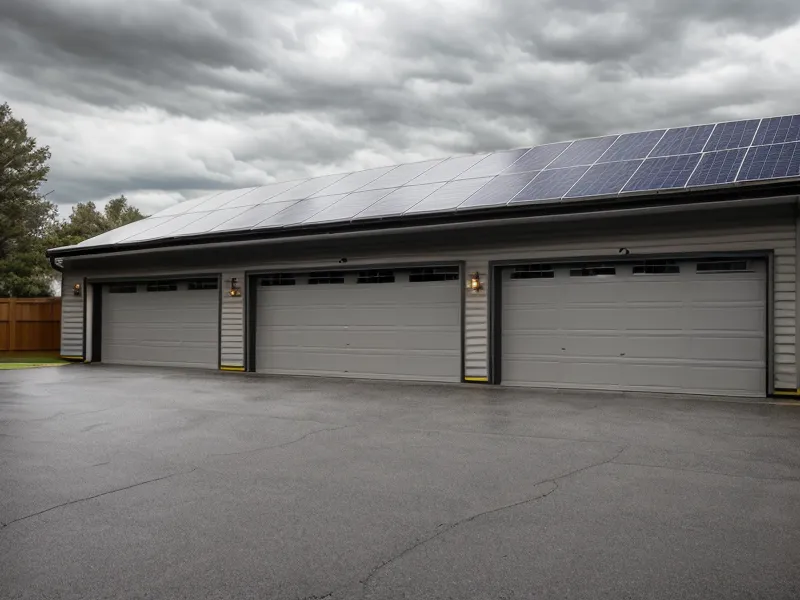
(She): This is the part most advice skips entirely. Every guide says "just buy a generator," but what about families in a townhome with no yard for a gas engine, or an apartment with no roof rights for solar panels? We needed something that didn't assume everyone has a quarter acre to work with.
(He): Gas generators bring their own headaches anyway. The fuel goes bad within weeks without a stabilizer, the noise means you can't run one near a bedroom window, and the exhaust rules out anywhere indoors or in a closed garage. Portable solar isn't automatically better. A lot of those boxes take the better part of a day to recharge, and some can't handle the quick power spike a fridge compressor needs to kick on, which is a completely different number than what it needs just to keep running.
(She): We realized that securing our Houston home's power meant looking past the two default options everyone assumes are the only ones. It also meant admitting that waiting on the ERCOT grid to fix itself wasn't a plan — it was a bet, and we'd already lost it twice.
(He): That morning we walked the dog along the Waterway in The Woodlands, mostly to escape a house that felt like a sauna without the AC running steady. Our neighbor's gas generator had been grinding through the rain most of the night, a steady mechanical roar cutting through the storm. Around two in the morning it just stopped. No sputtering, no warning, just silence. He's not exactly a small-engine guy. He spends his weekends bass fishing out at Lake Conroe, so when the tank ran dry, he had no idea why the thing had quit.
Building DIY Backup Power That Didn't Need a Fuel Tank
(He): Four years into testing nearly everything marketed as backup power for Houston homes, I've learned to stay skeptical of bold claims before I believe the marketing copy. So when I found the Energy Revolution System, I didn't expect much. It's not a pre-built unit you plug into the wall. It's a digital blueprint for building a dedicated backup circuit using parts from a regular hardware store, without a fuel tank or a patch of roof for solar panels. I'm not an electrician, and the step-by-step videos still made the wiring manageable in a weekend, and it came with a sixty-day refund window if it didn't work out, which took some of the risk off the table for us. The honest caveat: it's a DIY backup power build, so what you get out of it depends on how carefully you follow the steps, not something you unbox and switch on.
(She): While he had a multimeter in one hand and a printout of instructions in the other, I was tracking whether any of this actually made financial sense after everything we'd already lost to spoiled food and missed deadlines. For anyone in a condo or small apartment without garage space, we also looked at the Orgone Motor, a smaller build meant for keeping phones and a medical kit charged rather than a full-size fridge. If budget is the bigger obstacle, the Power Grid Generator was the cheaper entry point we considered for my home office setup specifically. Pricing on all three shifts by vendor and by season, so we're not going to guess at numbers here.
(He): The first real test wasn't during a storm at all. I cut the main breaker on a dry Tuesday afternoon just to see what would happen, and the fridge clicked back on without a flicker. No fumes drifting in from outside, no engine noise, just a small indicator light holding steady. The knot in my stomach that had been there since the last blackout finally let go.
We Finally Heard Nothing, and That Was the Point
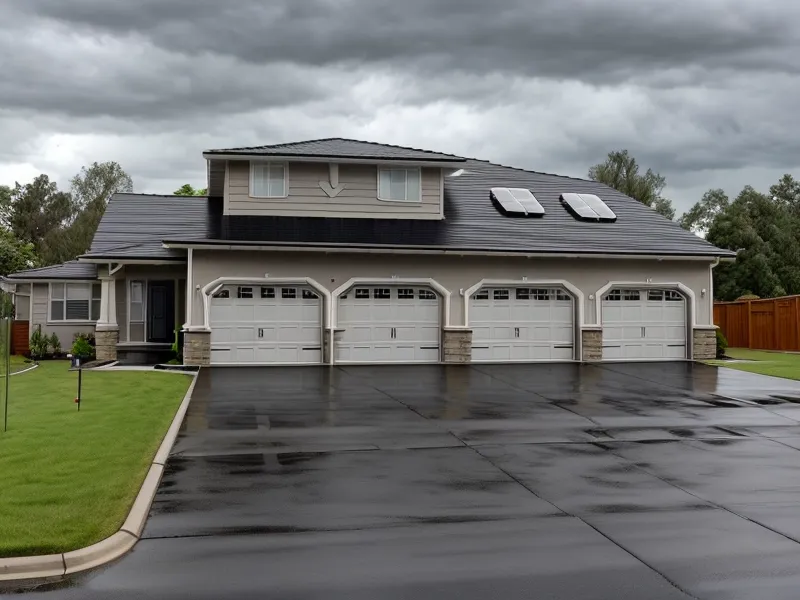
(She): A late-summer storm rolled in fast next, the kind of sky that turns that bruised purple color and sends the whole neighborhood into the same scramble every single time. The power went out again. Normally that's my cue to panic about cloud backups and unanswered client emails. This time I just kept working.
(He): I walked to the fridge, plugged it back in, and listened. No generator roar from our side of the fence, no engine grinding away in the garage, just the ordinary, boring quiet of a refrigerator doing its job like nothing had happened. That quiet was the whole point. The insulin held steady, and I didn't make a single trip anywhere looking for ice.
(She): That's what energy independence actually looks like for a family like ours. We've learned that keeping the fridge running and the files saving isn't about a bunker or a generator roaring in the yard — it's about a plan that doesn't care whether the grid stays up. We've written separately about how insulin safety and work-from-home reliability turned out to be the same problem wearing two different hats, because for us they were never separate issues.
(He): None of this required us to disconnect from the grid completely or quit our jobs to become preppers. It required one weekend of real work instead of years of hoping the forecast would stay clear. If you want to see the exact blueprint that got us off the fuel-and-fumes cycle, the Energy Revolution System is where we started, and it's still sitting behind our fridge today.
Nothing on this website constitutes medical, legal, or financial advice. All content is based on the author's personal experience and independent research. Consult a licensed professional for guidance specific to your situation.