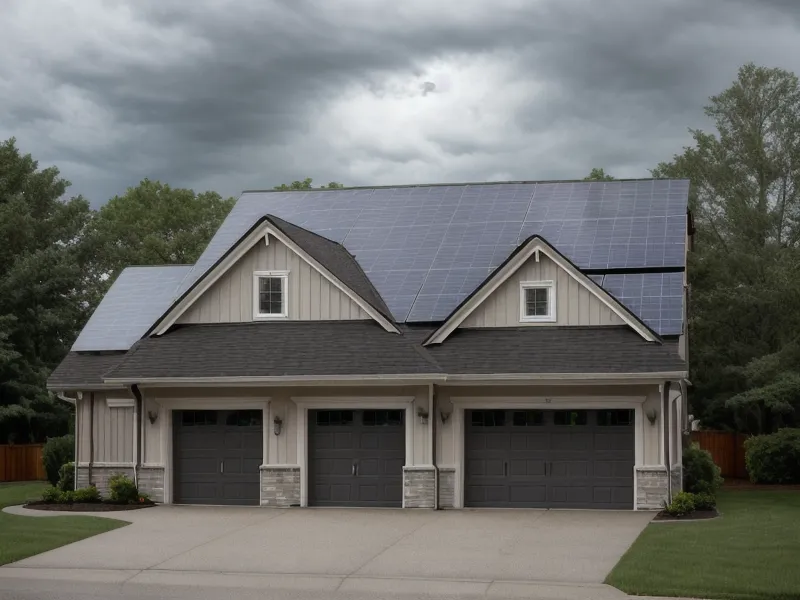
Seventy decibels. That's how loud a portable gas generator runs at full load, roughly the same as a garbage disposal grinding away nonstop, except this one doesn't stop for three days straight. It's also the number that convinced us the usual advice on home energy backup has it backwards. Somewhere along the way, hurricane preparedness in Houston became synonymous with the loudest machine in the garage, and that assumption nearly cost our family everything last year.
Quick disclosure before we get into it: some of the links below are affiliate links, and we may earn a small commission if you buy through them, at no extra cost to you. Nothing here made the list unless we tested it ourselves, in actual Houston humidity, during a real outage.
Here's the myth we keep running into: that a real DIY power system has to be loud, fuel-hungry, and professionally installed to survive a hurricane and still let you handle remote work. It doesn't. Does a quieter setup mean a weaker one? Not from where we're standing. What it has to do is run the handful of things that matter most in your specific house, without turning fuel storage into a second job.
Quiet Backup Power Handles Insulin and Deadlines Just Fine
Our youngest depends on insulin, and it has to stay within a narrow range. Insulin breaks down fast outside 36 to 46 degrees Fahrenheit, no exceptions. That single fact used to define every outage for us: a cooler, gas station ice, and a kid checking a thermometer every few minutes like it was his job.
My husband coaches little league, not electrical engineering. I design for clients who don't care why my WiFi dropped. Remote work doesn't pause for weather. Neither does a ten-year-old's medicine.
One afternoon last month I was buried in client design files when a storm rolled through, rain sideways, sky the color of a bruise, and I didn't clock that the power had gone out until I looked up twenty minutes later and noticed the porch light hadn't dimmed. No flicker. No reboot chime from the router. The backup had simply taken over, and I hadn't noticed.
That's the whole case against the idea that quiet backup power is somehow the downgrade option. Ours held a safe medical temperature and a full workday without a single cord running out to the garage.
Why Bigger and Louder Doesn't Mean Safer
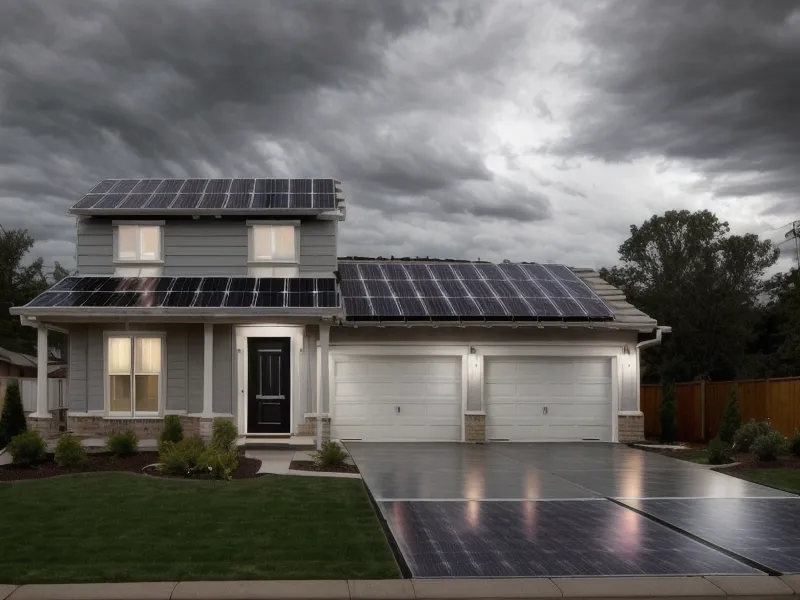
Gas generators get sold on horsepower, like a bigger engine automatically means a safer house. It doesn't work that way. Gasoline starts degrading in as little as three to six months without a stabilizer, and Houston garage humidity sits around 90 percent most mornings during storm season. The fuel you're counting on can be half-useless by the time you actually need it.
There's a real trade-off between raw output and how quietly a system delivers it, and that's a comparison worth its own deep dive elsewhere. The bigger problem is simpler: any backup that depends on a fuel supply chain is only as reliable as your last trip to the gas station.
Running an engine loud enough to rattle windows for three straight days doesn't just annoy the neighbors, either. Storing twenty gallons of gasoline in that same humid garage swaps one risk for another.
We've written more about exactly what finally kept our fridge running and our files saving during blackouts, without any of that, in our piece on keeping the fridge running and the files saving.
Sorting Real DIY Power Blueprints From Junk Kits
Not every DIY option deserves the label "backup power," and we learned that the expensive way. We once ordered a magnetic generator kit off the back of a YouTube ad, convinced by slick footage that it would practically assemble itself. What showed up was a box of unlabeled parts with a diagram that assumed knowledge we didn't have. It sat in the garage for months before we admitted it wasn't happening.
A friend of ours spends most weekends on woodworking projects in his home workshop, and he never starts a build without a full materials list and a plan for every joint. That's the real gap between a legitimate blueprint and a box of mystery parts: one respects that someone is actually going to use the thing.
The system that worked for us wasn't a plug-and-play box. It's a step-by-step blueprint you assemble yourself, closer to a real project than a purchase. We started with the Energy Revolution System [Top Pick], and my husband, little league coach and not an electrician, followed the build videos start to finish. There's a faint metallic tang that drifts out when the battery bank charges with the garage door shut, not unpleasant, just proof something's actually happening in there. We wrote up exactly how it performed against our medical and work-from-home needs in our Energy Revolution System review, if you want the full breakdown.
Apartments and Condos Aren't Left Out of Hurricane Preparedness
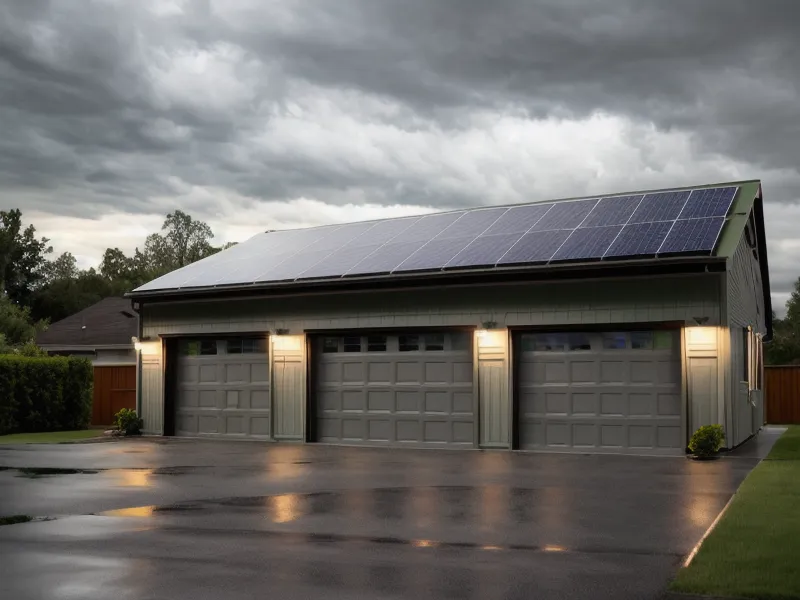
Most backup power advice assumes a house with a garage and a yard. That leaves out everyone in a high-rise or a rental, where gas generators are flatly banned by building code and there's no roof access for solar panels either. Those households are often the most exposed when the grid goes down, not the least.
For that situation, we pointed a neighbor's college-age kid toward the Orgone Motor [Compact Option], small enough for a closet, with enough output to keep a laptop charged and a small medical fridge running. Running anything indoors safely is its own separate conversation, but a compact build like this sidesteps the generator-in-a-closet problem entirely.
We also looked at the Power Grid Generator [Budget Backup] as a lower-cost entry point, built around resonance energy recovery principles. There's always a floor to how cheap backup power can get before you start trading away capacity, but for someone who just wants a lamp and a fan running through a blackout, it did the job without a diesel generator's price tag.
What to Actually Check Before You Buy Backup Power
Four years into taking hurricane season seriously, here's the actual checklist we use before buying anything. What's the exact wattage of the two or three things you can't afford to lose — fridge, medical device, router — not the generator's total rated output. How long can it hold that load without refueling or recharging. Can you run it without waking up the block or breathing exhaust in a closed garage. Everything else is marketing.
What you do in the first hour of an outage matters more than most people think, though that's a checklist all its own. Think of backup power the way you'd think about home insurance: you're not buying it because you expect a hurricane, you're buying it because you don't get to choose when one shows up.
Every June, we watch the same thing on the news: trucks lined up along Galveston Seawall Boulevard, filming evacuation traffic ahead of a storm that may or may not hit us directly. That's Houston hurricane season. You don't get to control whether the grid holds. You do get to control whether your fridge, your kid's medicine, and your client deadlines survive it anyway.
If you want the unfiltered version of everything we tried before landing here, we laid it out in our honest experience with DIY backup power. And if you're starting from zero, the Energy Revolution System is still where we'd point you first.
Nothing on this website constitutes medical, legal, or financial advice. All content is based on the author's personal experience and independent research. Consult a licensed professional for guidance specific to your situation.