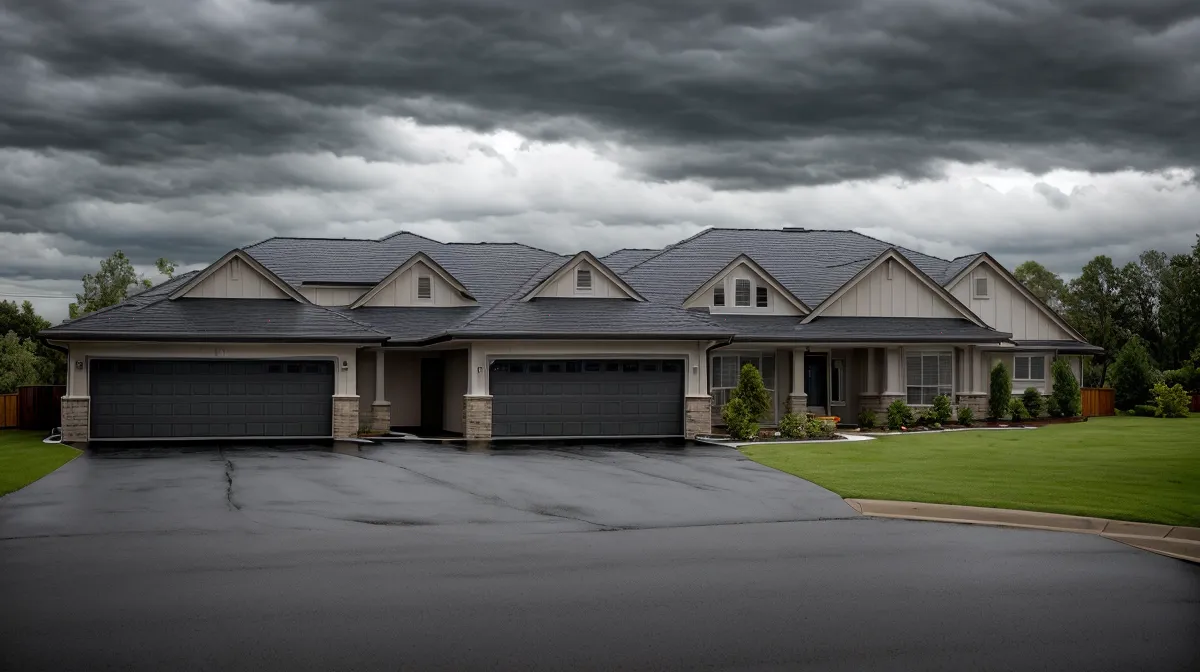
The extension cord is looped over one shoulder and I'm halfway across the backyard when the porch light flickers twice and goes dark. The third outage of this hurricane season, and my husband is already jogging for the garage before I've finished saying anything about it. Our youngest's insulin is sitting in a cooler on the kitchen counter, and neither of us needs to say out loud what that means anymore.
Quick heads up before we get into it: this post contains affiliate links, and if you use them we earn a small commission at no extra cost to you. We only mention emergency power products we've actually run in our own garage during a real Houston blackout — none of this is theoretical for us.
Two Blackouts in One Hurricane Season Changed How We Think About Power
Two separate outages hit us the same year, and each one lasted long enough to stop feeling like an inconvenience and start feeling like a test. The first, in late spring, cost me three days of freelance design deadlines I still think about. The second climbed high enough on the Saffir-Simpson scale that our neighborhood went without power for the better part of a week, and that's when the insulin situation stopped being hypothetical.
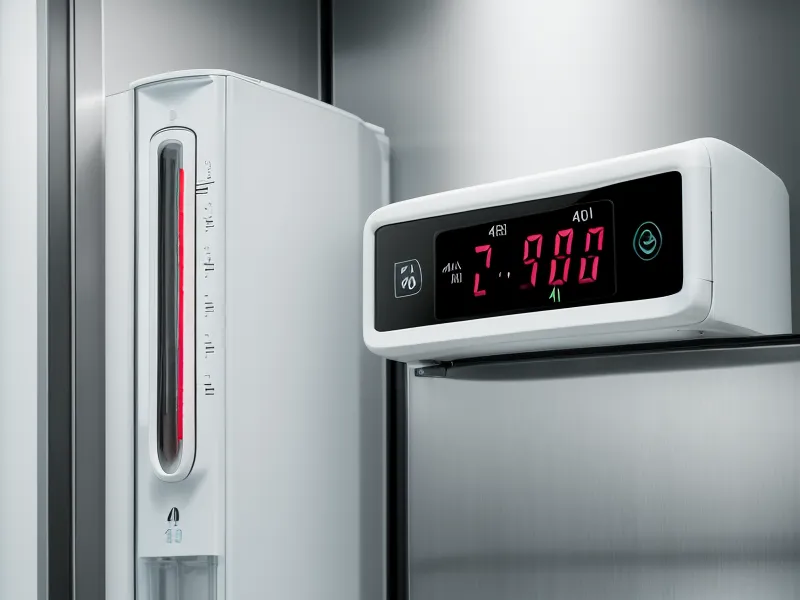
My husband spent that week in a kind of low-grade panic I'd never seen from him before, checking a thermometer clipped to the fridge door every couple of hours like it might change on its own. Watching someone you love fixate on keeping a cooler cold rearranges your priorities fast.
Insulin doesn't care about anyone's schedule. It needs to stay reliably cold, not just cool for a while, and a standard fridge losing power turns into a countdown clock faster than most people expect.
What Didn't Work: Generators, Gas Lines, and a Truck Battery
Loud gas generators were our first attempt, and they were miserable. They're heavy, they drink fuel that disappears from every station nearby the moment a storm warning goes out, and running one close enough to actually reach the house meant listening to it all night.
At one point my husband got creative and ran a laptop off the truck's 12-volt inverter so I could keep working through a deadline, cord snaking in through a cracked window, engine idling in the driveway for hours. By the second hour the cord itself had gone warm enough that you could smell the plastic, which told us this wasn't a real solution, just a slower way of giving up. It kept my laptop alive. It also burned through gas doing basically nothing else. We don't do that anymore.
We'd also spent months reading about how the ERCOT grid operates, mostly trying to figure out why our particular stretch of road always seemed to lose power before anyone else's. We never became grid experts. What we did figure out is that waiting on someone else to fix it wasn't a plan, it was a hope, and hope doesn't keep a fridge running.
The Questions Neighbors Actually Ask Us
Once people on the street figured out we'd gone all-in on backup power, the same handful of questions started showing up in driveway conversations, in texts, in one memorable email from a reader a couple of counties over. Here's what we actually tell people, not the polished version.
Running Backup Power From an Apartment
A reader named Selene Krakowski wrote in after a bad winter storm knocked her block flat. She's on the third floor of an apartment complex in Katy, and every backup power guide she'd found assumed she had a driveway and a garage to work with. She'd clearly done her homework before emailing us, comparing specs and reading reviews late into the night, and still wasn't sure she trusted her own conclusion enough to actually buy anything.
For someone in her situation, a loud engine was never going to be the answer. What she needed was something compact enough for a closet, quiet enough that a neighbor wouldn't complain to the building manager, and strong enough to keep a phone, a laptop, and a small medical cooler running. The Orgone Motor is what we pointed her toward, mostly because of its size. It's built for a tight space, not a backyard.
How Much Power Your Fridge Actually Needs
This part fell to my husband, since he's the one who actually tests things instead of just reading about them. A fridge is quiet once it's already running. It's the moment the compressor kicks back on that spikes the draw, and that spike is exactly what wrecks a lot of the cheaper battery packs people buy first.
We eventually stopped shopping for store-bought portable stations altogether and started following the build steps for the Energy Revolution System instead. The appeal wasn't that it was magic. It was that it didn't depend on a supply chain staying intact in the middle of a hurricane, which a shipped battery pack absolutely does.
DIY Backup Power Safety for Non-Electricians
Neither of us is an electrician, and I'll admit I spent the first few weeks fully expecting my husband to blow something up in the garage. What changed my mind wasn't a credential. It was watching the actual steps. This was a system you built and understood piece by piece, not a sealed box you plugged in and hoped about.
Brock Fuentes, who coaches little league alongside my husband, is a licensed plumber with an opinion about literally every system in a house. He told us, in the flat, no-room-for-debate way he says everything, that a system we actually understood would always beat a brand-new box with a warranty sticker on it. Annoying how often he's right.
None of that means you should rewire your own breaker panel. For anything permanent or tied into your home's electrical system, a licensed electrician matters, full stop. What we're describing is a standalone setup, not a renovation.
Setting a Budget We Could Actually Live With
We looked at a few whole-home systems priced like a second car payment and closed the tab immediately. That was never happening on a freelancer's income and a little league coach's schedule.
What worked for us was building toward it in pieces, following the Power Grid Generator approach and sourcing parts from a regular hardware store over a few unglamorous weekends instead of one big purchase. I handle our budget tracking, and this was the first backup power option where the money actually felt like it was buying capacity instead of a brand name.
Understanding the System Beats Just Owning One
The real shift for us wasn't a product, it was a mindset. We stopped trusting a sealed unit from a big-box store to save us at two in the morning, and we started building something we could actually troubleshoot.
That's part of why our second system went in using the Energy Revolution System blueprint as well. After four years of doing this, a voltage dip doesn't feel mysterious the way it used to. Once you understand one setup well enough to read it, building a second one gets a lot less intimidating.
By week eight of actually living with the new setup, the next outage hit, and the morning after felt almost anticlimactic. I came downstairs, started the coffee maker like any other morning, and realized halfway through pouring it that I hadn't thought about the fridge once. That's the part that actually matters. It's not the equipment itself, but reaching the point where an outage stops being an emergency and just turns into an evening.
We're not preppers waiting for the world to end, and we're not evangelists either. We're just the family that got tired of gambling on the grid, which is the whole reason we eventually wrote about After Two Blackouts and Spoiled Insulin, We Finally Stopped Trusting the Grid in the first place.
If your household has any medical equipment that can't go without power, or a home office that can't afford three dark days, a multi-tiered power plan stops being optional pretty quickly. I'm not a doctor, and you should check with your child's specialist about exact storage requirements for any medication, but for us, knowing the fridge will hold its temperature is worth every one of the weekends it took to set up.
Another ERCOT alert doesn't have to turn into a three-day scramble. The Energy Revolution System is where we'd point anyone to start. It's the blueprint that got us out of the ice-hunting business for good.
Nothing on this website constitutes medical, legal, or financial advice. All content is based on the author's personal experience and independent research. Consult a licensed professional for guidance specific to your situation.