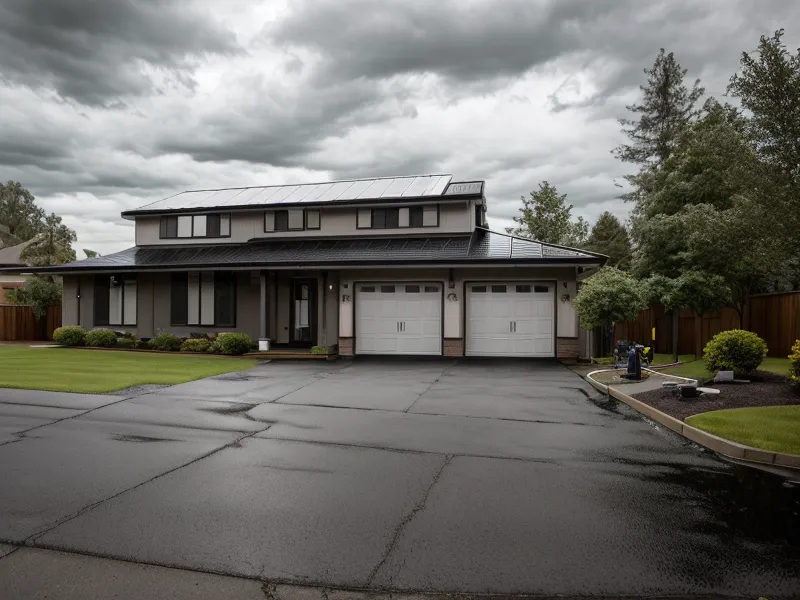
The automatic transfer switch stands between your generator roaring to life in the driveway and the refrigerator keeping your kid's medicine cold inside the house. Most families shopping for backup power never stop to ask. They treat the transfer switch like a minor line item on a quote instead of the one piece of hardware that decides whether an emergency preparedness plan holds up, or a home resilience project turns into an expensive mistake.
The myth we ran into constantly while shopping for ours: bigger is always safer. Buy the switch that can carry your home's entire electrical panel, pair it with a generator big enough to run everything at once, and never think about it again. We believed that too, right up until we started pricing out whole-house switches against what our actual generator could produce.
A Transfer Switch Doesn't Generate Power: It Decides Who Gets It
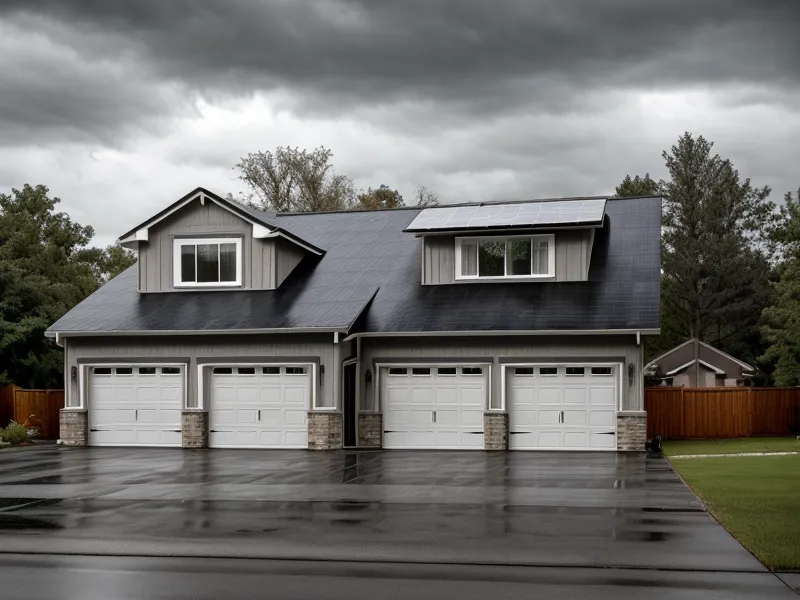
Here's the correction: an automatic transfer switch doesn't make a single watt of electricity. It's a traffic cop, not an engine. Grid power runs straight through it to your lights and outlets under normal conditions. When utility voltage drops, the switch senses the failure, signals your standby generator to start, waits for the engine to settle, then mechanically reroutes your house from the dead utility line to the generator. When the grid comes back, it reverses the process and lets the generator cool down before shutting off.
My husband's assistant little league coach, a plumber named Brock Fuentes who fixes almost anything with whatever's already sitting in his truck, once told him you could skip the automatic part entirely and just run a manual switch you flip yourself when the power dies. Brock isn't wrong that it's physically possible. He's wrong about what it risks. A generator feeding current backward into dead utility lines can electrocute a lineman working two streets over to restore service. The mechanical interlock inside a real transfer switch exists specifically to make that impossible, by fully disconnecting your house from the grid before generator power ever flows. That isn't a convenience feature. That's the entire reason to buy one instead of improvising something yourself.
The "Go Bigger" Myth That Wastes Money Without Adding Safety
The standard panel on most suburban homes carries two hundred amps. A whole-house transfer switch has to be rated for that same two hundred amps coming in from the utility, even if the generator behind it only produces a fraction of that during an outage. Plenty of guides will tell you to buy the biggest switch your service entrance can hold and pair it with a generator sized to run the whole house without flinching. That advice sounds responsible. It also tends to trigger panel upgrades that have nothing to do with keeping your family safe during a storm and everything to do with the margin on the bigger unit.
What our family actually needed looked nothing like that. An essential-loads switch covers a short list: refrigeration, medical cooling, a sump pump if you have one, enough outlets to keep a work laptop charged through a deadline, and not much else until the grid comes back. That's one tier of a bigger backup strategy, not the whole plan. We mapped out exactly where that line should sit for our own situation in our essential-loads backup guide, and it's worth doing that math before you ever call an electrician for a quote.
Where You Mount It Changes What You Need
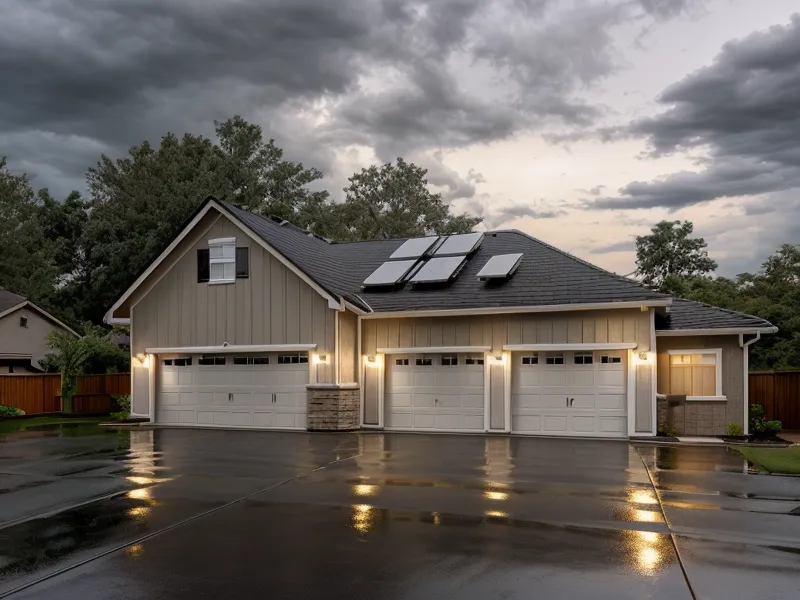
Mounting matters more than most people expect. A switch installed directly between the utility meter and the breaker panel outside needs a service-entrance rating, with a utility disconnect built into the enclosure. Skip that rating and an electrician ends up adding separate, costly disconnect hardware just to satisfy the inspector. Along the Gulf Coast, the humidity and blowing rain rule out anything built for indoor use. Outdoor enclosures need a NEMA 3R rating, built to shed rain and keep the contacts dry when wind comes in sideways off water, the kind that strips palm fronds along Galveston's Seawall Boulevard every storm season.
Central air conditioning complicates the picture further. A compressor pulls a heavy burst of current the moment it kicks on, and years ago, testing an older manual setup, I watched the lights brown out and the engine sputter when a 4-ton AC compressor tried to start under a generator that wasn't ready for it. The equipment on the other end of that spike doesn't come out unscathed either. A transfer switch with built-in load shedding locks out heavy appliances like AC or a water heater when the generator is running close to its limit, then brings them back online one at a time as capacity allows, which matters a lot more than the number printed on the box.
Testing the Switch Before You Need It For Real
Before any of this, we tried the stopgap most people try first. During our first outage, my husband plugged my laptop into the 12-volt inverter in his truck and let the engine idle in the driveway so I could keep working. It kept one laptop alive. It also burned through a tank of gas doing basically nothing, which is a bad trade by any measure, and it's the reason we stopped treating backup power as something you improvise in the moment.
The clearest proof the switch earns its keep came during a storm I almost didn't notice. I was buried in client design files, chasing a deadline with three tabs of proofs open, and it wasn't until I got up for coffee that I realized the power had dropped and come back without a single flicker registering in my memory. No scramble, no flashlight hunt, nothing I could even point to afterward. That's the whole argument for an automatic switch in one sentence: the best version of it is the one you never notice working.
None of this is a DIY panel project, whatever a confident video online might suggest. Hiring a licensed electrician to pull the permit and make the actual connection to your panel isn't an upsell. It's what guarantees the grounding, the neutral bonding, and the inspection sign-off that keep the whole system from becoming a liability instead of a safeguard.
A reader named Selene Krakowski emailed after a hard winter storm to point out that guides like this one assume a driveway, a meter, and a wall to mount hardware on. If you're on the third floor of an apartment building, the entire calculus changes, and a hardwired transfer switch probably isn't the starting point for you at all.
If you take one thing from all of this, make it this: size the switch to the loads you'll actually run during an outage, not to the number stamped on your main panel. Match the enclosure rating to where it's actually getting mounted. Confirm load shedding is built in if a heavy AC compressor is anywhere in the picture. And never let anyone, however handy, however well-meaning, talk you into skipping the mechanical interlock that keeps your house legitimately disconnected from the grid. That's not an opinion. That's the difference between a transfer switch and a liability wearing a NEMA enclosure.
For families still routing extension cords through a cracked door, our piece on why we stopped relying on the Texas grid after two blackouts and a cooler full of insulin walks through how we got off that habit for good, and how to protect your desktop computer during unexpected power surges covers what happens to the equipment on the other side of that switch once power comes back.
A transfer switch won't survive a hurricane by itself, and it won't keep the lights on forever. What it does is remove the moment where someone has to go outside in the storm and make a decision under pressure. That's worth paying for, sized correctly, not oversized out of fear.
Nothing on this website constitutes medical, legal, or financial advice. All content is based on the author's personal experience and independent research. Consult a licensed professional for guidance specific to your situation.