
What actually happens to your refrigerator, your laptop, and every circuit board in the house the instant the power grid snaps back on after an outage? We never gave that question a second thought until we'd lived through two extended blackouts outside Houston in the same year, and the second one ended with my husband sprinting to the kitchen, flashlight clamped between his teeth, to check whether our youngest child's insulin had made it through the night.
Quick note before we get into any of this: this site runs on affiliate links, and if you pick up a backup power solution through ours, we earn a commission at no added cost to you. Everything we recommend here is something we've actually wired, assembled, or stress-tested in our own house during a real outage, not just read about. Neither of us is a licensed electrician or a doctor, so talk to a licensed professional before you touch your breaker panel, and check with your child's pediatrician about the exact safe range for any medication you're trying to keep cold. Consider this our ongoing emergency-preparedness experiment for one family, not a lab report.
Why We Finally Took Whole-House Surge Protection Seriously
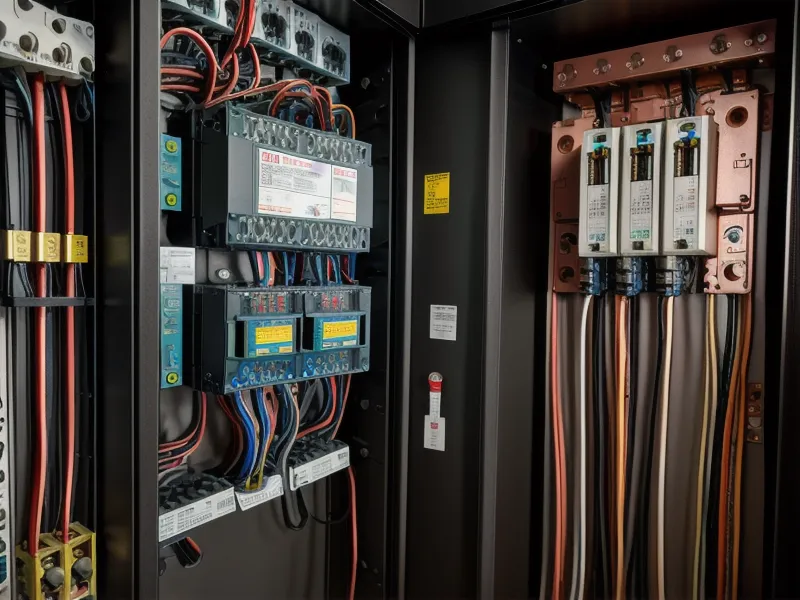
That second blackout started with a transformer down the block letting go, a crack loud enough that car alarms went off up and down the street, followed by a dull boom that didn't sound like weather at all. The dual monitors on my design desk flickered and died mid-render, taking three days of client files with them.
Our first blackout, months earlier, caught us finishing up errands at Sugar Land Town Square before the storm watch had even turned serious. We'd borrowed a neighbor's gas generator, rattled it to life in the driveway, and run extension cords through a propped-open patio door. Hauling a full five-gallon can from the trunk to that generator until my shoulder ached in its socket became a nightly chore, and I made multiple runs to the gas station at two in the morning trying to stock up on bagged ice before the outage got worse, coming back each time with less than we needed because half the block had the same idea.
What nobody warned us about was the moment the grid finally snaps back on, or the instant a generator's transfer switch kicks over. That reconnection sends a jolt through the wiring that has nothing to do with weather and everything to do with physics, and it was enough that second time to fry the circuit board on our HVAC compressor and the power supply on my drawing tablet in the same afternoon. If you want the fuller rundown on protecting the gear sitting on your own desk, we wrote up how to protect your desktop computer during unexpected power surges after that exact afternoon.
Running a generator without whole-house surge protection, we learned, is a lot like carrying homeowners insurance but skipping the one clause that actually covers what's most likely to go wrong. Technically you're covered. Just not for the thing that happens.
Type 1 vs Type 2: The Distinction That Actually Matters
My husband spent an evening after that second blackout learning there are really two flavors of whole-house surge protection, and almost nobody explains which one you actually need. One version mounts outside near the utility meter and absorbs the big external hits, a lightning strike nearby, or the utility company doing something upstream that has nothing to do with your house. The other lives inside the breaker panel itself and catches whatever gets past the first line of defense, including the spike your own generator can throw when its transfer switch kicks on or off.
We ended up wanting both, not because either one is glamorous, but because they're guarding two different doors. If you're also trying to figure out how a generator ties into your panel safely in the first place, that's a bigger decision than surge protection alone, and we go through it in our how to select an automatic transfer switch for your home generator guide.
The cheaper panel units also don't last forever. Ours shipped with a small indicator light, and the installer told us flatly to expect to replace it again someday. He couldn't give us a date, and we've stopped asking.
Does a Surge Protector Fix a Dirty Generator Too?
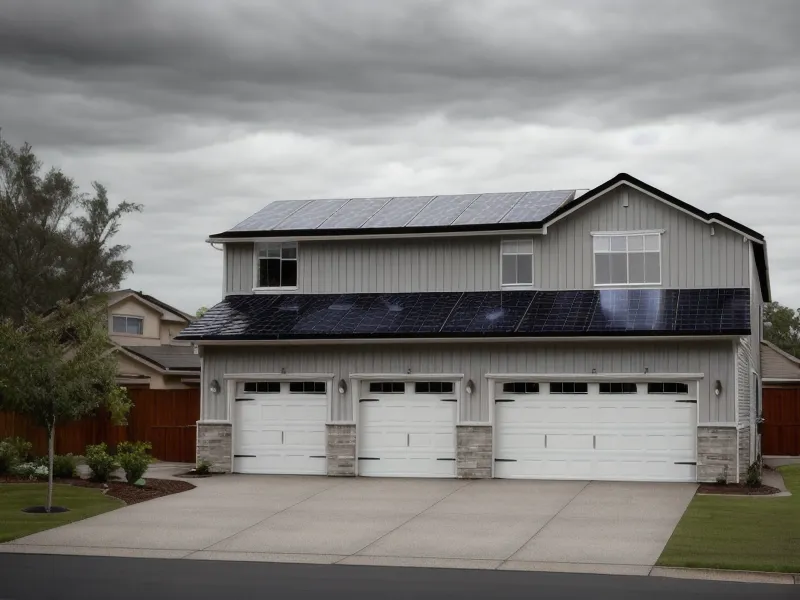
No. A panel-mounted device stops voltage spikes. It does nothing about the shape of the power coming out of a cheap gas motor, which is a completely separate problem that cost us a minifridge full of insulin almost going bad during one April storm. Our auxiliary generator kicked on, the surge protector's light stayed green exactly like it should, and the dirty, uneven wave from the motor still threw error codes at the little medical fridge until the temperature crept toward the edge of the safe range our daughter's doctor had given us.
Miriam Chu, a pharmacist friend of ours who never blinks during a real emergency but will absolutely tell you when you're overreacting to nothing, put it bluntly when I called her panicking about a small swing on the drawer thermometer: the swing wasn't the test. What mattered was the pen I pulled out of that drawer later, and whether it was still fine.
That whole scare is what sent us looking at fuel-free backup options that don't throw a dirty wave every time the motor surges. Whether a battery setup beats a generator for your specific situation is its own long rabbit hole, and the noise alone is worth weighing on its own. Ours rattled loud enough that neighbors asked if we were running a lawnmower at midnight. We mapped our full decision process, insulin deadlines and all, in our essential-loads backup guide for medicine and deadlines.
Over a stretch of storms we put three alternative DIY energy blueprints through real testing, right alongside the newly fortified panel. We should say upfront that we're not going to pretend the marketing language some of these use, "resonance energy capture" and the like, doesn't make us raise an eyebrow; if you want the deeper myth-busting on free-energy claims before you buy anything in this category, that's a conversation worth having separately. For us the test stayed simple: did it keep clean power flowing to a fridge during an actual storm.
Why the Energy Revolution System Became Our Top Pick
The Energy Revolution System won this comparison for our household, hands down. Instead of paying for a proprietary battery wall that's still vulnerable to the same reconnection issues we'd just spent a season fixing, this is a digital blueprint that walks you through sourcing your own components and assembling a self-contained backup unit.
What sold my husband was how clear the video walkthroughs were. He can rebuild a lawnmower engine and rewire a dugout scoreboard, but he's not an electrical engineer, and the instructions assumed exactly that level of comfort. Current pricing lives on the vendor's own page and shifts with their promotions, so check there directly rather than trust anything we saw last season. It is not a box you plug in and forget. If that's what you want, skip ahead to the next option. But for keeping our daughter's medication cold and my monitors running without a flicker, nothing else we tried came close.
Orgone Motor: Small Footprint, Smaller Punch
For a condo, a small apartment, or a family that only needs to keep a couple of devices alive without touching the main panel, the Orgone Motor is worth a look. It takes up a fraction of the space, which matters if you don't have a garage or yard to spare.
The illustrated build guide was easy enough to follow in an afternoon, and during our testing it kept the insulin cooler cold and the wireless router alive through an outage without complaint. Its total output stays well below what a full household setup can manage, though you won't run central air or a stove off it, and we didn't try. If a compact backup for one room or one priority device is what you actually need, check the vendor's page for current pricing before deciding.
Is the Power Grid Generator Worth the Extra Tinkering?
A neighbor from our local Facebook group, Angus Portillo, keeps a running spreadsheet of every backup device he's ever tested, and he was the one who flagged the Power Grid Generator to us as an affordable entry point if you want to understand the fundamentals of resonance energy capture firsthand. The parts list leans on items you can find at almost any hardware store or salvage yard.
He also warned us it needed more patience than the other two. The build guide is practical, but this system has fewer long-term reviews behind it, and getting a steady, clean wave suitable for sensitive electronics took us several late evenings of fine-tuning. It works as a budget-first option. It just asks more of you up front. Check the vendor link directly for current pricing and material lists.
What Changed for Our Family After Twelve Weeks
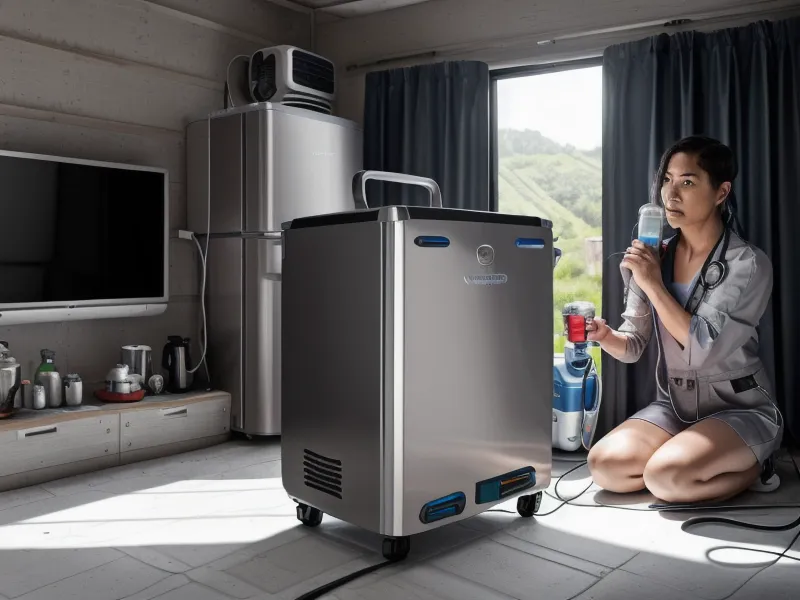
Twelve weeks into running the fortified panel alongside the Energy Revolution System, the power went out again on an ordinary weekday afternoon. I opened the drawer where we keep our daughter's insulin pens, more out of habit than real worry by that point, and every one of them was simply cold, same as any other day, nothing dramatic about it at all. That nothing-happened feeling turned out to be the entire point.
If there's one thing worth taking from all of this, it's that backup power and surge protection are not the same purchase, no matter how much the box at the hardware store implies otherwise. A generator keeps the lights on. A clean power source keeps your electronics and your medical equipment from caring whether the power even went out. A dedicated surge device keeps the moment the grid comes back from undoing all of it. Buy for all three jobs, not just the one that feels most urgent in the moment.
Pairing a solid Type 2 whole-house surge device at our breaker box with the clean, fuel-independent power from the Energy Revolution System is what finally broke the cycle for us: no more fried boards when the grid comes back, no more dirty power confusing a medical fridge at the worst possible time. When storm sirens go off outside Houston now, I'm not tallying missed client deadlines, and my husband isn't pacing the hallway checking a thermometer. If your family hasn't made this pairing yet, storm season isn't going to wait for you to get around to it.
| Product | Rating | |
|---|---|---|
| Energy Revolution System Top Pick | 9.4 | Read More → |
| Orgone Motor | 8.6 | Read More → |
| Power Grid Generator | 7.9 | Read More → |
Energy Revolution System
Pros
It eliminates the volatile voltage spikes a fuel generator throws off, walks total beginners through assembly with clear step-by-step video blueprints, supplies power clean enough for medical fridges and sensitive monitors, and gives you independent power that still plays nicely with panel-mounted surge devices.
Cons
The tradeoff is real: this is hands-on DIY assembly, not a plug-and-play box, and the digital blueprint means sourcing your own hardware components rather than unboxing a finished unit.
Nothing on this website constitutes medical, legal, or financial advice. All content is based on the author's personal experience and independent research. Consult a licensed professional for guidance specific to your situation.