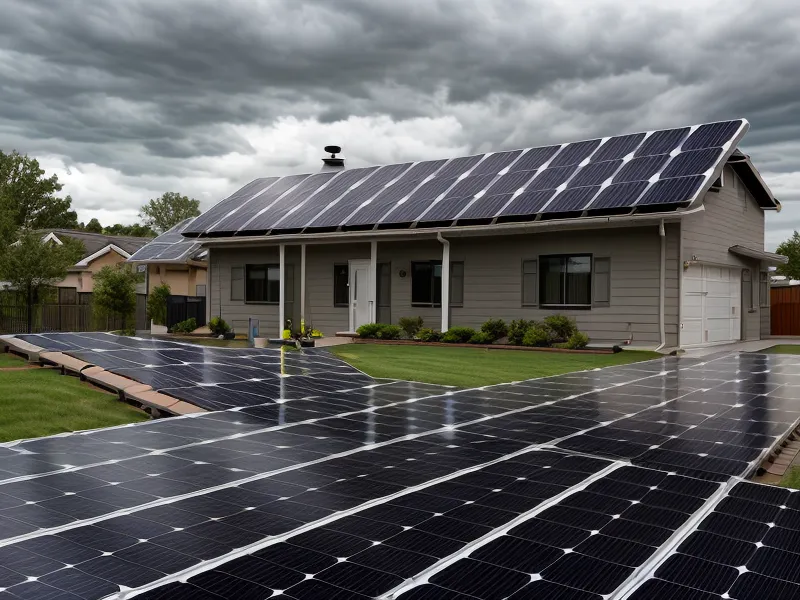
A gas generator can rattle windows two houses down, but the backup power system in our utility closet doesn't carry past the hallway. That gap is the whole reason we built our own DIY setup after two hurricane seasons in a row broke our trust in the grid. I run a freelance design business out of our house, and every outage used to cost me client deadlines along with the lights — this is the home-office resilience test we never signed up for, and what actually held up.
Quick disclosure before the story: some of the links below are affiliate links, and if you buy through them, we earn a commission at no extra cost to you. We only write about backup power gear we've actually run during a real outage in our own house. Neither of us is an electrician — I handle the budget and research side, my husband handles installation and testing, and everything here comes from that division of labor, not a trade license.
Two Outages in One Year Changed How We Plan
We'd stood on Galveston Seawall Boulevard the weekend before that second outage, watching whitecaps roll in higher than the forecast called for, and neither of us guessed we'd lose power for most of a week. The first outage that year was an inconvenience. The second was a crisis. Three days without power meant three days of missed client deadlines for me, and it meant my husband spent those same three days trying to keep our youngest's insulin cold enough to still be safe to use.
Before we owned any real backup option, his first move during that first outage was a chest freezer packed with bags of dry ice — worked out between little league practices, on top of everything else that week — and it did not go the way he'd hoped. Dry ice sublimates fast in Houston humidity, so he was checking the thermometer every couple of hours instead of sleeping, and the temperature inside still swung colder and warmer than he wanted for something that mattered this much. It worked, technically, in the sense that nothing spoiled. Technically worked isn't the same as a plan you can trust for five days.
Why Didn't We Just Buy a Bigger Gas Generator?
Gas generators solve the power problem and create three new ones: they're loud enough to hear from the next yard, they mean storing fuel somewhere in a hurricane-prone house, and they need serious open-air clearance from windows and doors to avoid carbon monoxide building up indoors. A lot of townhomes and apartments can't meet that clearance at all, which rules gas out completely for plenty of readers in tighter housing. That noise-versus-power trade-off is its own rabbit hole on top of everything else — quieter units almost always put out less raw power, and that trade is worth studying before you buy anything.
That's what sent us looking into the Energy Revolution System, a blueprint-based build that doesn't run on fuel at all. I handled the budget side of that decision — tight, after the client work we'd already lost — while my husband dug into the technical details. We wanted something that didn't depend on a gas station being open or a delivery truck getting through winds strong enough to qualify as a Hurricane Category 1 storm.
We ended up testing three different DIY systems over about ten months, starting the summer after that second outage. None of us wanted a bunker. We wanted the fridge cold and the Wi-Fi on during the next storm, and nothing more dramatic than that.
Building Our DIY Backup Power System, One Frustrating Wire at a Time
Assembly tested my husband's patience more than anything else in this project. He spent one humid morning stripping a copper wire too short, then had to rewatch the same instructional clip four times just to get the connection right, sweating through a shirt before he'd even had coffee. That's the honest version — nobody hands you a plug-and-play box out of the gate with a build like this.
Once it was together, though, the difference showed immediately. He ran it against a test load to confirm it matched standard household power, and it did — no electrician's license needed, just a checklist and the patience to follow it. If you're just starting your off-grid power journey, a checklist-based DIY build like this is a lot friendlier than wiring a full solar array yourself. Whether you technically need an electrician for a build like this is its own question, worth answering separately from what worked for us.
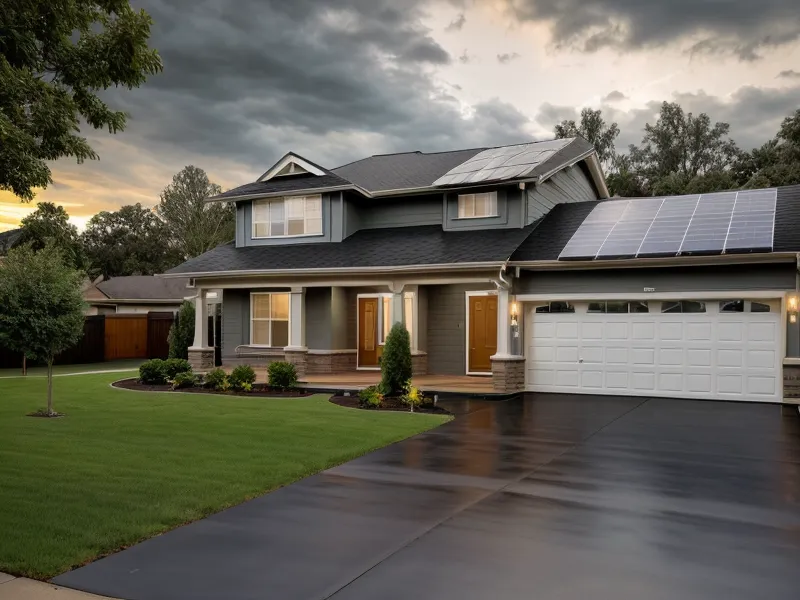
The Storm That Actually Put It to the Test
The real test came a few months later, during a storm that knocked out a transformer down the street. Two doors down, the neighbor's gas generator roared through the rain for a while, then cut out cold once it ran itself dry of fuel nobody had restocked. Ours never made that kind of sound to begin with, and it never ran out of anything.
I was three files deep into a client's logo revisions when I glanced up and realized the outage that had knocked out the block was already over — the screen never flickered, and I'd missed the entire window it happened in. For anyone working out of a small space, that's the real measure of an apartment-safe backup strategy: something quiet enough that you forget it's even running.
The insulin cooler was the moment that mattered most to my husband. He checked the reading through a six-hour stretch without grid power and watched it hold steady in the safe range the entire time — no last-minute ice run, no call to the pharmacy, no gambling on how fast the fridge would recover. Neither of us has medical training, so talk to your own doctor about what your family's specific storage needs actually require, but for us, that steady reading was the entire point of the project.
Two Smaller Devices, Two Different Jobs
We didn't stop at one system. The Orgone Motor is smaller and noticeably less powerful — it never had the output to run the main fridge — but it was exactly enough for my home office setup, keeping the router and my laptop alive so I could actually hit deadlines. If your worry is mainly powering your Wi-Fi and laptop rather than the whole house, a smaller unit like this is a much easier place to start.
A friend of ours, who spends most weekends bass fishing out at Lake Conroe, asked why we'd bother with a third system at all. Fair question. The Power Grid Generator blueprints run about $49 and lean on resonance principles — a more experimental build we treat strictly as backup for the backup, not a main source. Layering options that way is really its own strategy, the same logic as not trusting a whole road trip to one spare tire, and it's worth planning on purpose rather than backing into it the way we did.
Resonance-based claims like this one are also worth a skeptical second look before you hand over any payment details — anything marketed as free or unlimited energy deserves that same scrutiny, no matter how convincing the sales video looks.
What Changed by the Time Hurricane Season Ended
Six weeks into running these systems daily, I stopped checking the breaker panel out of habit before bed. That's a small thing, but it's the actual marker of the shift for us — from bracing for the next outage to mostly not thinking about it.
The Energy Revolution System ended up handling the big loads — the fridge, my workstation — while the two smaller units covered whatever the office needed. That tiered mix, not any single miracle device, is what actually fits a normal family budget.
There's more to figure out than what fit into one season of testing. Calculating the actual wattage your house needs is its own math problem, not a guess dressed up as one. Whether a battery system beats what we built, or costs more than it's worth for your situation, is a separate comparison worth making on its own. Families managing medical equipment specifically should weigh that need first, ahead of convenience or cost. And there's a whole spectrum between staying fully tied to the grid and going fully independent from it — we're somewhere in the middle, not camped out at either end.
What you actually do in the first hour after power drops matters almost as much as which device you own, and that's its own checklist, separate from anything covered here. The bigger lesson for us was never about one gadget — it was that waiting for a storm warning to start researching options is the real risk, not the storm itself. Build the plan while the weather's calm, and test it once, deliberately, before you ever need it for real.
If you'd rather have that plan built before the next storm watch than during it, this is what we run: See the DIY system that kept our insulin cold and my deadlines met here.
Nothing on this website constitutes medical, legal, or financial advice. All content is based on the author's personal experience and independent research. Consult a licensed professional for guidance specific to your situation.